1st Grade - THE READING MINILESSONS BOOK (2019, Fountas & Pinnell)
$ 39.99

1st Grade - THE READING MINILESSONS BOOK (Fountas & Pinnell)
LITERACY TEACHING
•
•
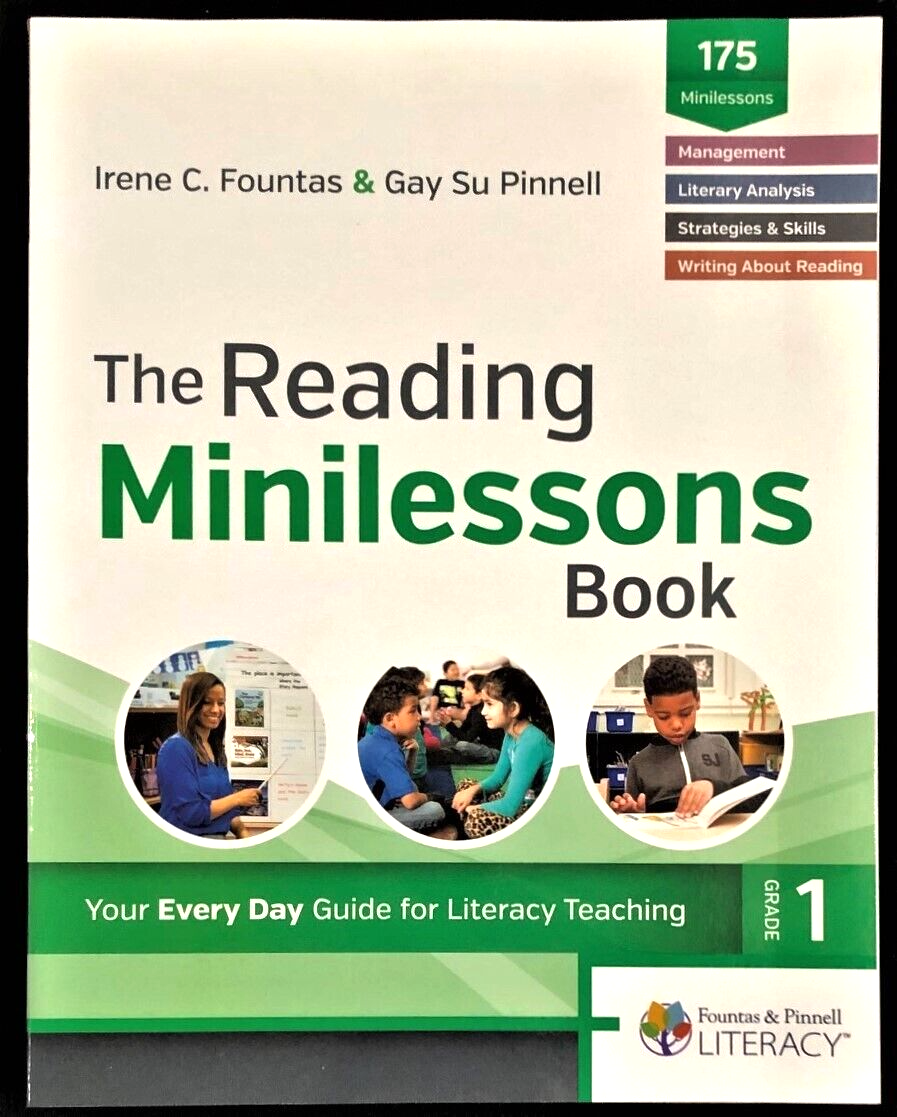
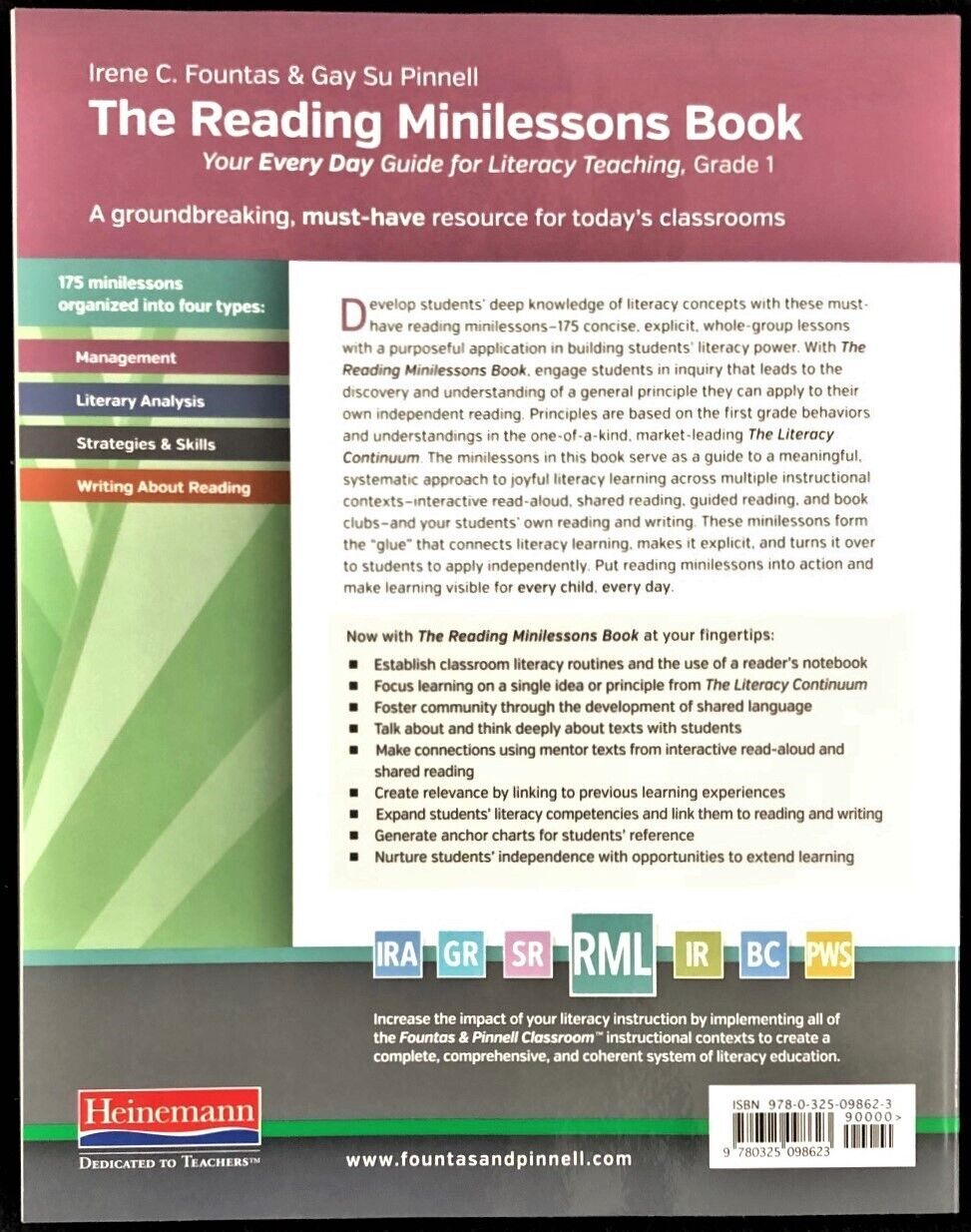
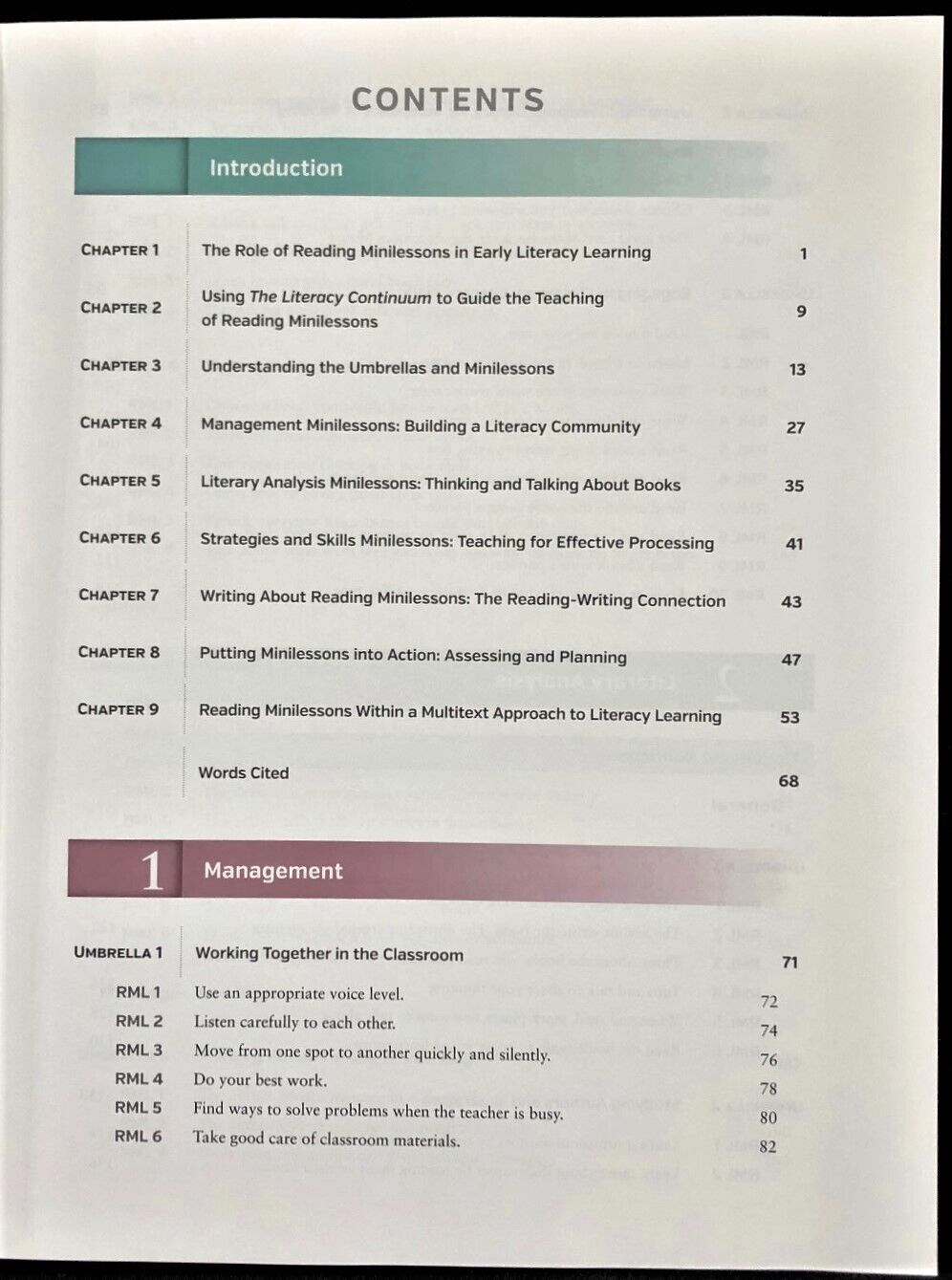
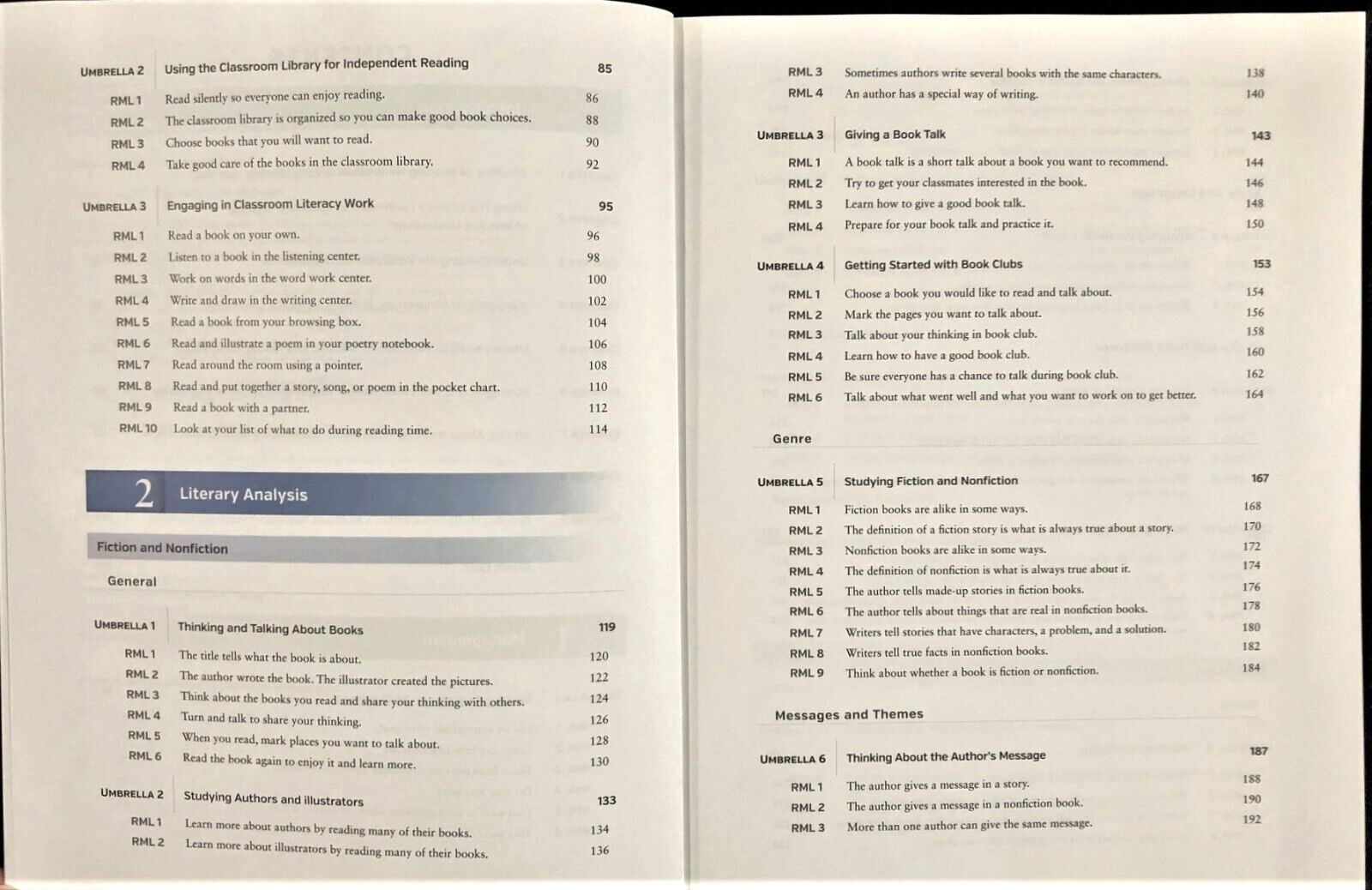
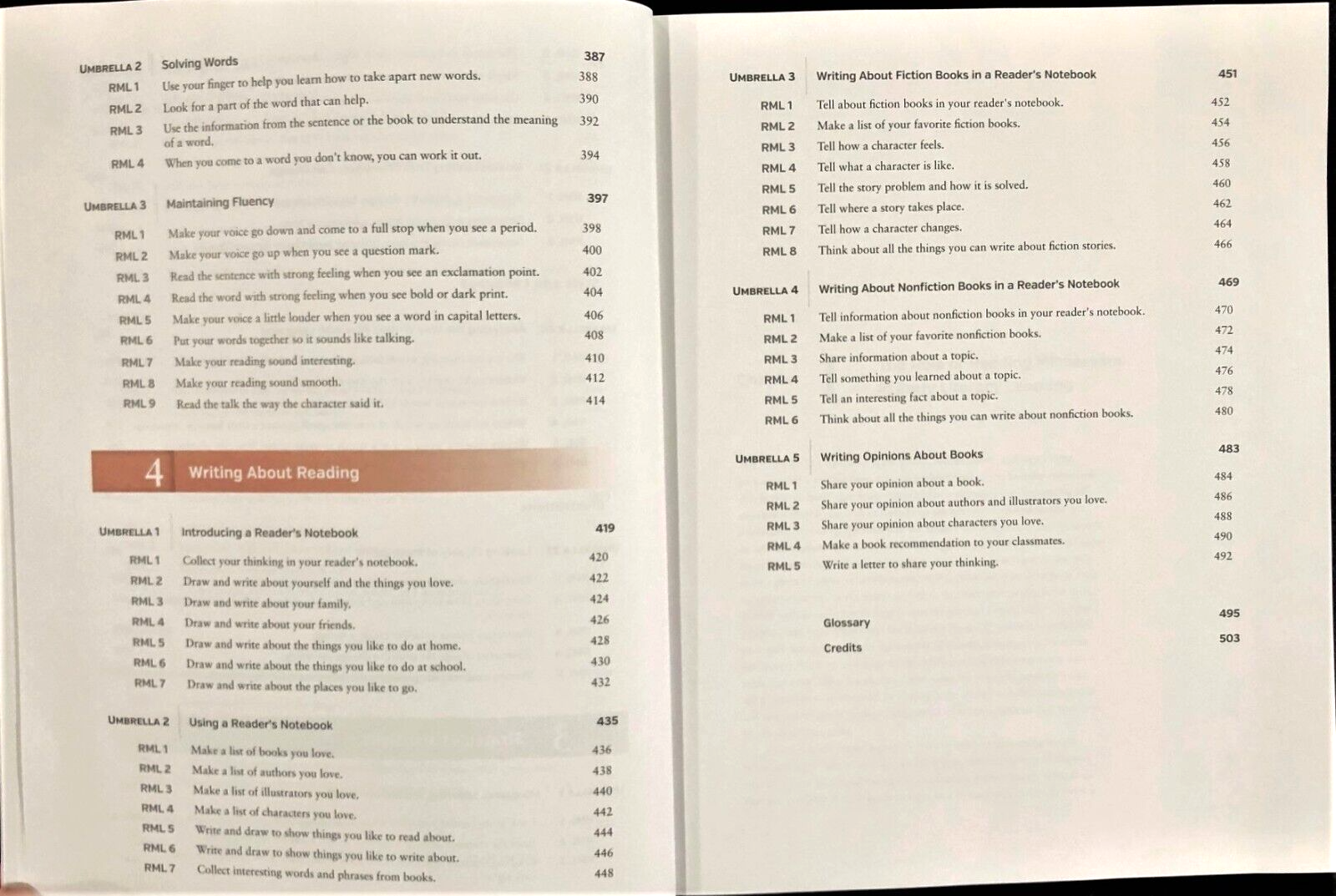
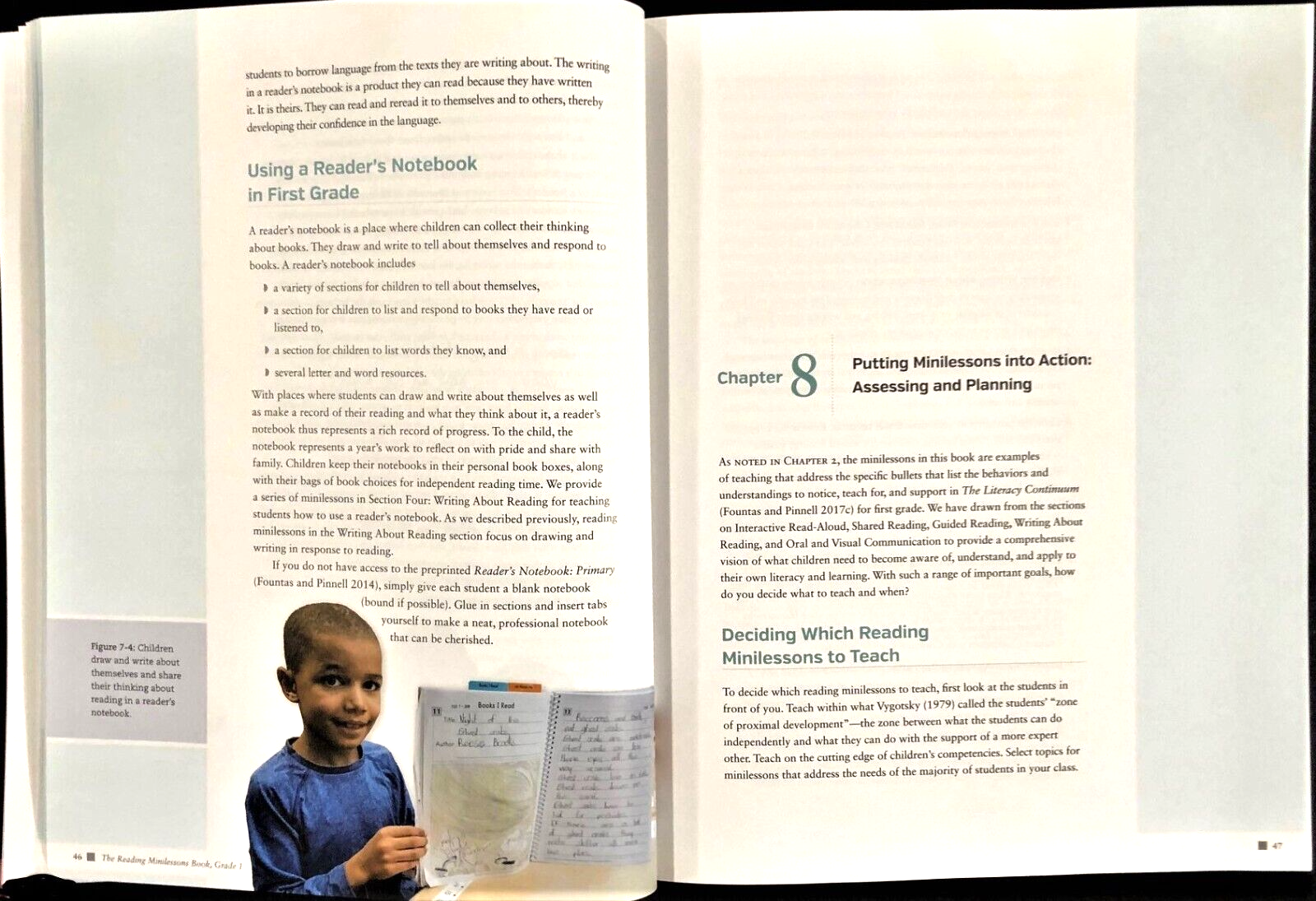
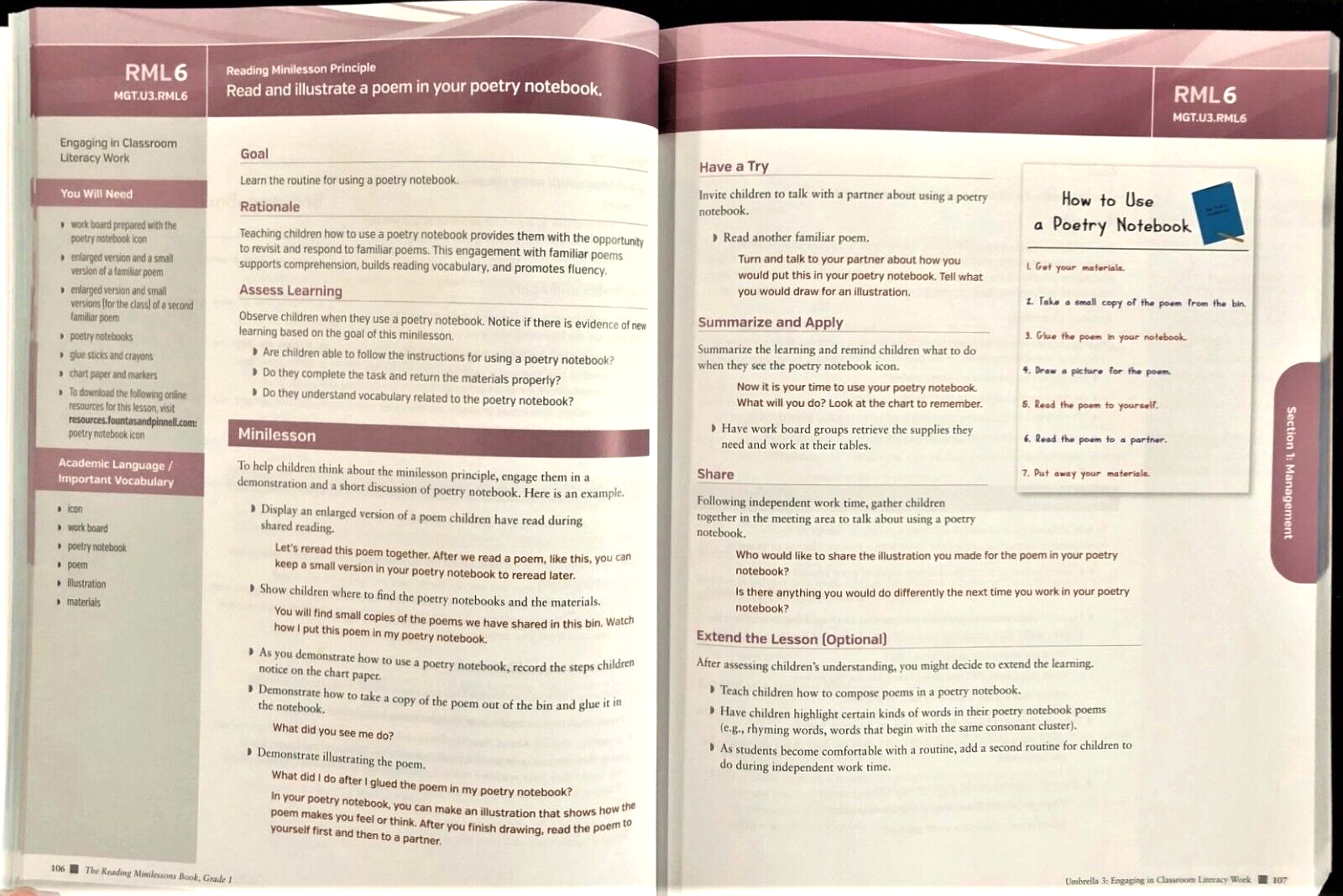
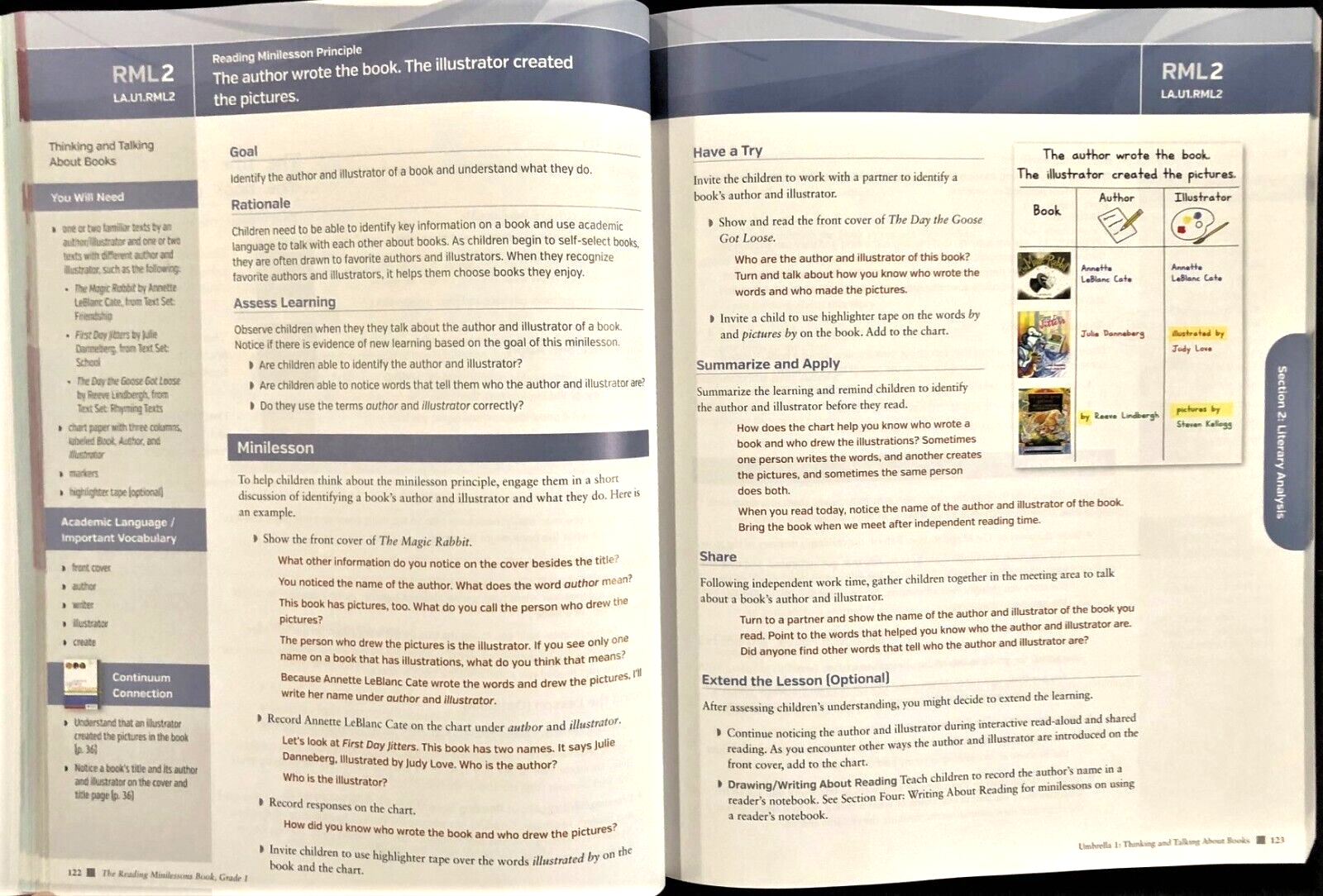
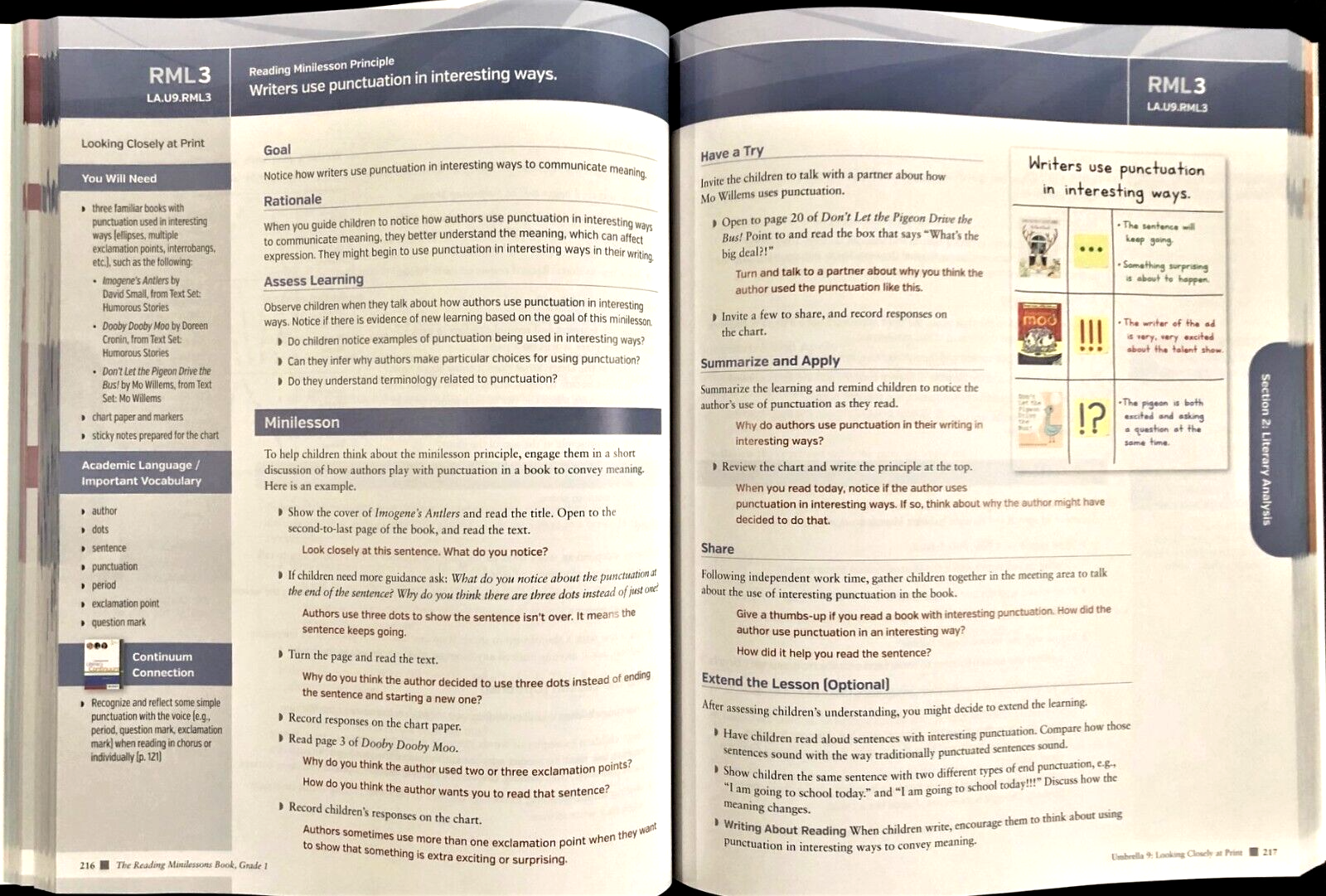
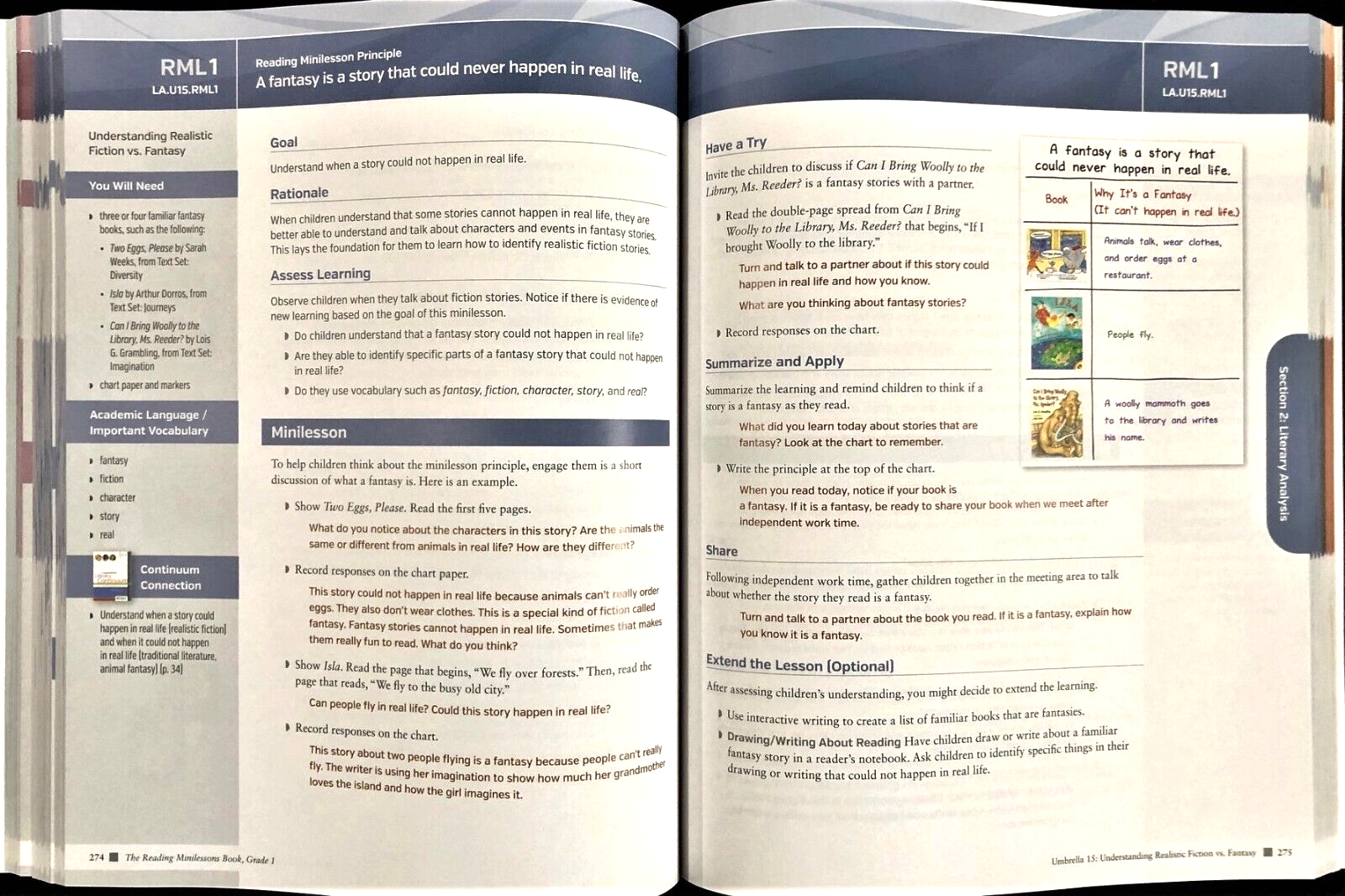
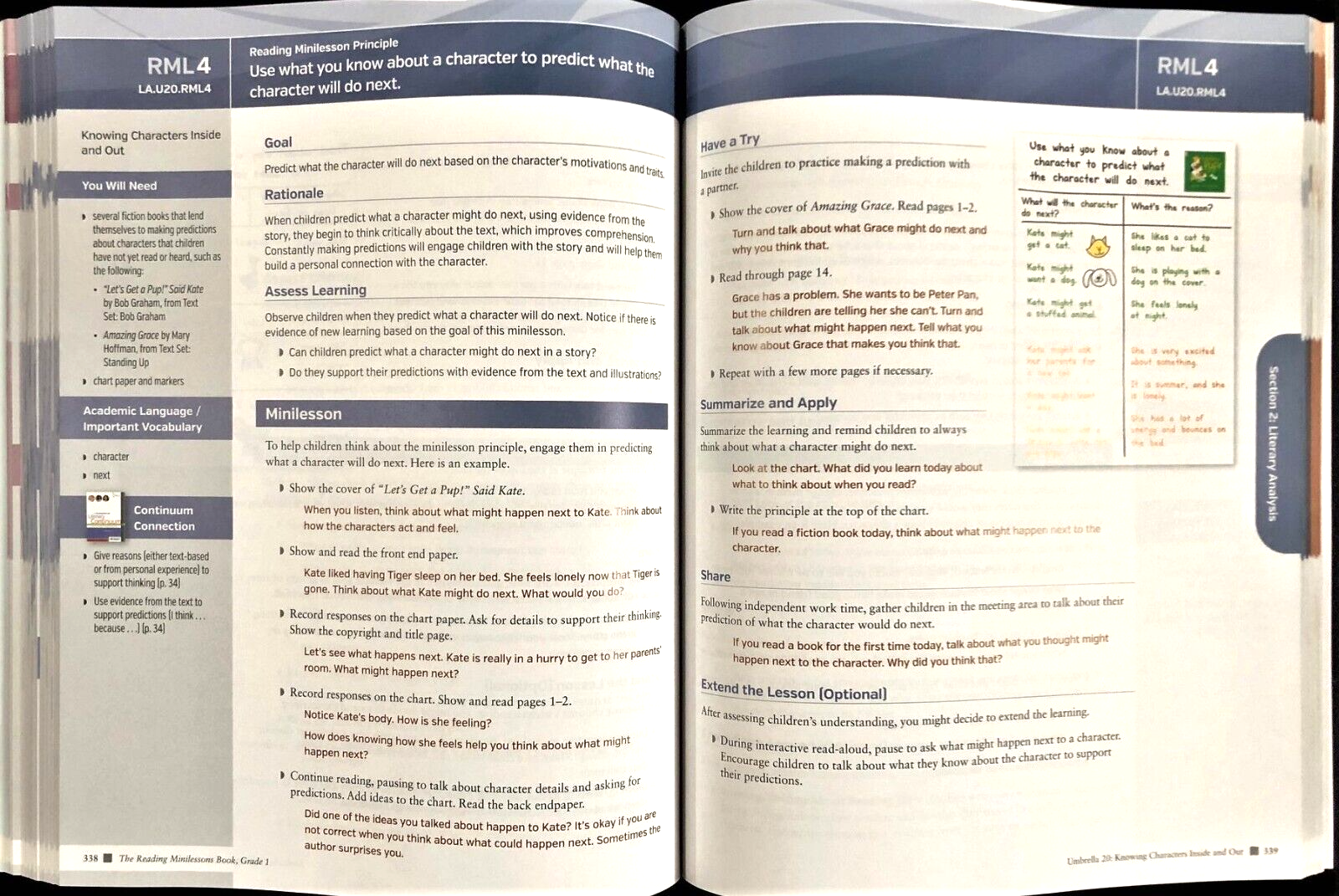
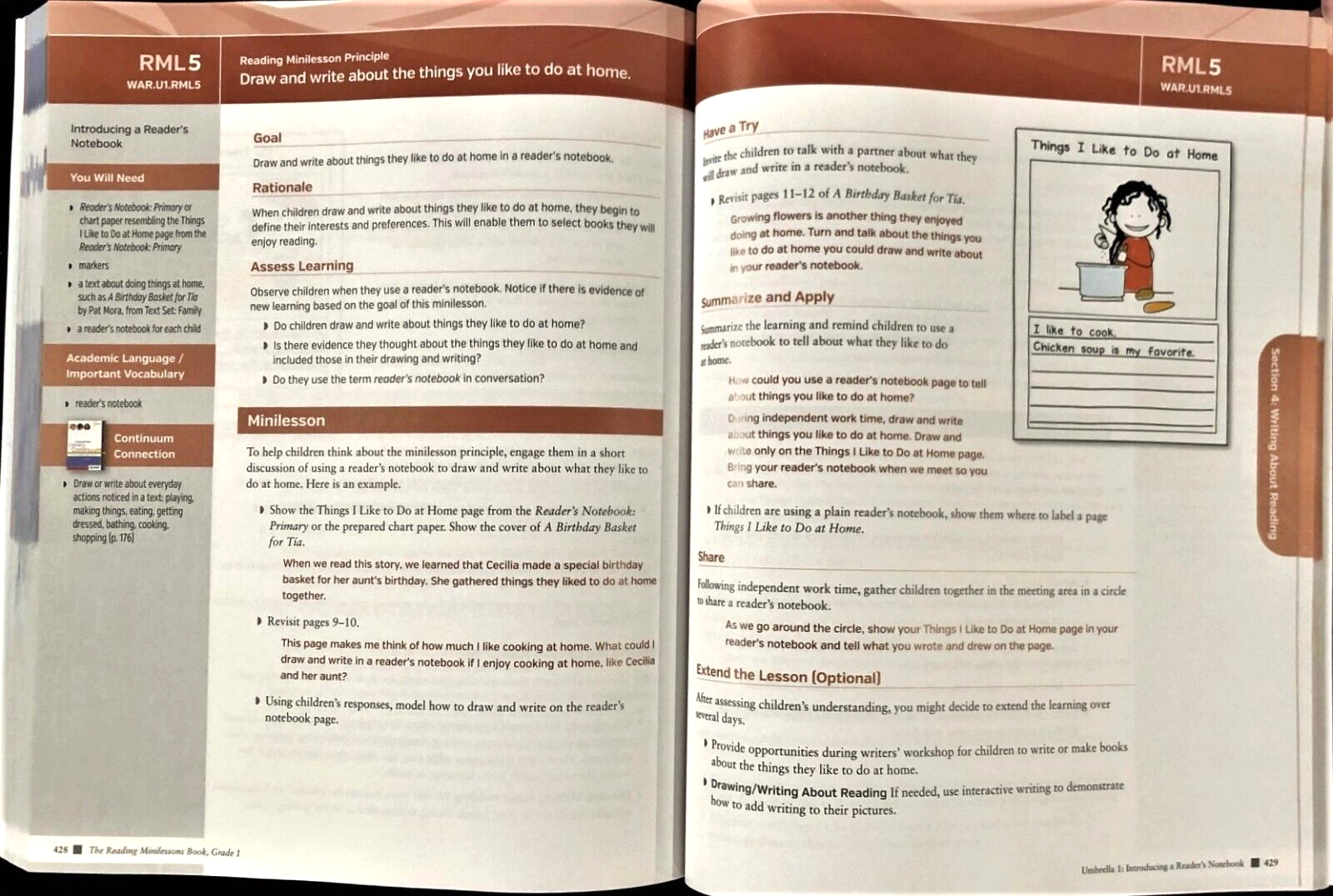
•Presented in short, precise, practical minilessons. 175 Minilessons: Management Literary Analysis Strategies and Skills Writing about ReadingAuthors: Irene C. Fountas and Gay Su Pinnell Publisher: Heinemann Publishers Copyright: 2019 Pages: 509CONTENTS: INTRODUCTION Chapter 1 The Role of Reading Minilessons in Early Literacy Learning Chapter 2 Using The Literacy Continuum to Guide the Teaching of Reading Minilessons Chapter 3 Understanding the Umbrellas and Minilessons Chapter 4 Management Minilessons: Building a Literacy Community Chapter 5 Literary Analysis Minilessons: Thinking and Talking About Books Chapter 6 Strategies and Skills Minilessons: Teaching for Effective Processing Chapter 7 Writing About Reading Minilessons: The Reading-Writing Connection Chapter 8 Putting Minilessons into Action: Assessing and Planning Chapter 9 Reading Minilessons Within a Multitext Approach to Literacy Learning Words Cited UNIT 1 MANAGEMENT Umbrella 1 Working Together in the Classroom Umbrella 2 Using the Classroom Library for Independent Reading Umbrella 3 Engaging in Classroom Literacy Work UNIT 2 LITERARY ANALYSIS FICTION AND NONFICTION GENERAL Umbrella 1 Thinking and Talking About Books Umbrella 2 Studying Authors and Illustrators Umbrella 3 Giving a Book Talk Umbrella 4 Getting Started with Book Clubs GENRE Umbrella 5 Studying Fiction and Nonfiction MESSAGES AND THEMES Umbrella 6 Thinking About the Author's Message Umbrella 7 Thinking About the Author's Purpose STYLE AND LANGUAGE Umbrella 8 Analyzing the Writer's Craft BOOKS AND PRINT FEATURES Umbrella 9 Looking Closely at Print Umbrella 10 Noticing Text Resources NONFICTION GENRE Umbrella 11 Studying Nonfiction ORGANIZATION Umbrella 12 Noticing How Authors Organize Nonfiction ILLUSTRATIONS/GRAPHICS Umbrella 13 Learning Information from Illustrations and Graphics BOOK AND PRINT FEATURES Umbrella 14 Using Text Features to Gain Information FICTION GENRE Umbrella 15 Understanding Realistic Fiction vs. Fantasy Umbrella 16 Studying Folktales SETTING Umbrella 17 Thinking About Where Stories Take Place PLOT Umbrella 18 Understanding Simple Plot: Problem and Solution CHARACTER Umbrella 19 Understanding Characters and Their Feelings in Stories Umbrella 20 Knowing Characters Inside and Out Umbrella 21 Understanding That Characters Can Change STYLE AND LANGUAGE Umbrella 22 Analyzing the Way Writers Play with Language ILLUSTRATIONS Umbrella 23 Looking Closely at Illustrations UNIT 3 STRATEGIES AND SKILLS Umbrella 1 Monitoring, Searching, and Self-Correcting Umbrella 2 Solving Words Umbrella 3 Maintaining Fluency UNIT 4 WRITING ABOUT READING Umbrella 1 Introducing a Reader's Notebook Umbrella 2 Using a Reader's Notebook Umbrella 3 Writing About Fiction Books in a Reader's Notebook Umbrella 4 Writing About Nonfiction Books in a Reader's Notebook Umbrella 5 Writing Opinions About Books Glossary CreditsThese materials were purchased from a school district's surplus sale.We ship within 1 business day of receiving payment. Thank you!
LITERACY TEACHING
•
•
•Presented in short, precise, practical minilessons. 175 Minilessons: Management Literary Analysis Strategies and Skills Writing about ReadingAuthors: Irene C. Fountas and Gay Su Pinnell Publisher: Heinemann Publishers Copyright: 2019 Pages: 509CONTENTS: INTRODUCTION Chapter 1 The Role of Reading Minilessons in Early Literacy Learning Chapter 2 Using The Literacy Continuum to Guide the Teaching of Reading Minilessons Chapter 3 Understanding the Umbrellas and Minilessons Chapter 4 Management Minilessons: Building a Literacy Community Chapter 5 Literary Analysis Minilessons: Thinking and Talking About Books Chapter 6 Strategies and Skills Minilessons: Teaching for Effective Processing Chapter 7 Writing About Reading Minilessons: The Reading-Writing Connection Chapter 8 Putting Minilessons into Action: Assessing and Planning Chapter 9 Reading Minilessons Within a Multitext Approach to Literacy Learning Words Cited UNIT 1 MANAGEMENT Umbrella 1 Working Together in the Classroom Umbrella 2 Using the Classroom Library for Independent Reading Umbrella 3 Engaging in Classroom Literacy Work UNIT 2 LITERARY ANALYSIS FICTION AND NONFICTION GENERAL Umbrella 1 Thinking and Talking About Books Umbrella 2 Studying Authors and Illustrators Umbrella 3 Giving a Book Talk Umbrella 4 Getting Started with Book Clubs GENRE Umbrella 5 Studying Fiction and Nonfiction MESSAGES AND THEMES Umbrella 6 Thinking About the Author's Message Umbrella 7 Thinking About the Author's Purpose STYLE AND LANGUAGE Umbrella 8 Analyzing the Writer's Craft BOOKS AND PRINT FEATURES Umbrella 9 Looking Closely at Print Umbrella 10 Noticing Text Resources NONFICTION GENRE Umbrella 11 Studying Nonfiction ORGANIZATION Umbrella 12 Noticing How Authors Organize Nonfiction ILLUSTRATIONS/GRAPHICS Umbrella 13 Learning Information from Illustrations and Graphics BOOK AND PRINT FEATURES Umbrella 14 Using Text Features to Gain Information FICTION GENRE Umbrella 15 Understanding Realistic Fiction vs. Fantasy Umbrella 16 Studying Folktales SETTING Umbrella 17 Thinking About Where Stories Take Place PLOT Umbrella 18 Understanding Simple Plot: Problem and Solution CHARACTER Umbrella 19 Understanding Characters and Their Feelings in Stories Umbrella 20 Knowing Characters Inside and Out Umbrella 21 Understanding That Characters Can Change STYLE AND LANGUAGE Umbrella 22 Analyzing the Way Writers Play with Language ILLUSTRATIONS Umbrella 23 Looking Closely at Illustrations UNIT 3 STRATEGIES AND SKILLS Umbrella 1 Monitoring, Searching, and Self-Correcting Umbrella 2 Solving Words Umbrella 3 Maintaining Fluency UNIT 4 WRITING ABOUT READING Umbrella 1 Introducing a Reader's Notebook Umbrella 2 Using a Reader's Notebook Umbrella 3 Writing About Fiction Books in a Reader's Notebook Umbrella 4 Writing About Nonfiction Books in a Reader's Notebook Umbrella 5 Writing Opinions About Books Glossary CreditsThese materials were purchased from a school district's surplus sale.We ship within 1 business day of receiving payment. Thank you!