LUCY CALKINS Resources for Intermediate(3rd-5th) Writing -Manuals, Resources, CD
$ 74.99

LUCY CALKINS Resources for Intermediate Writer's Workshop (3rd - 5th Grades)
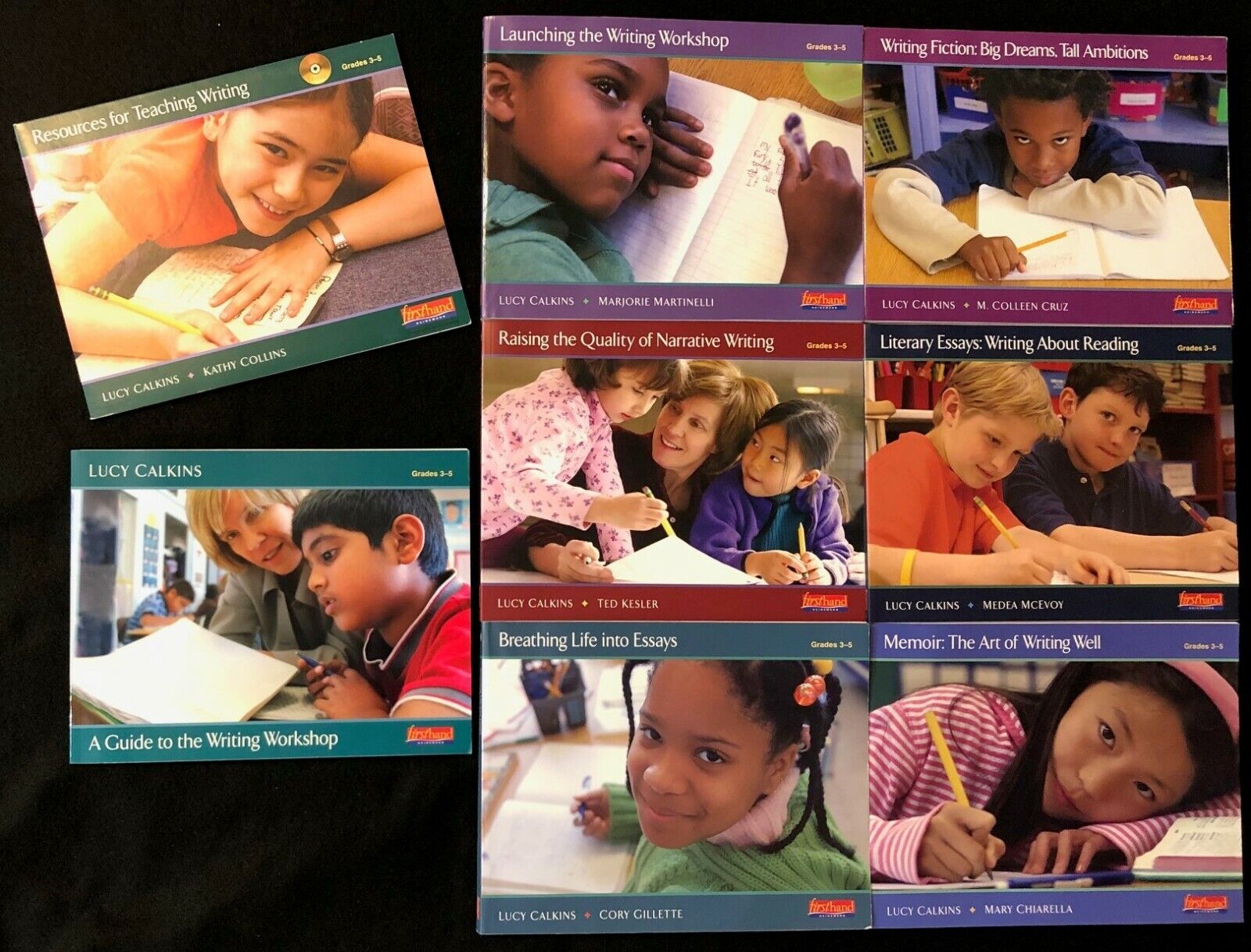
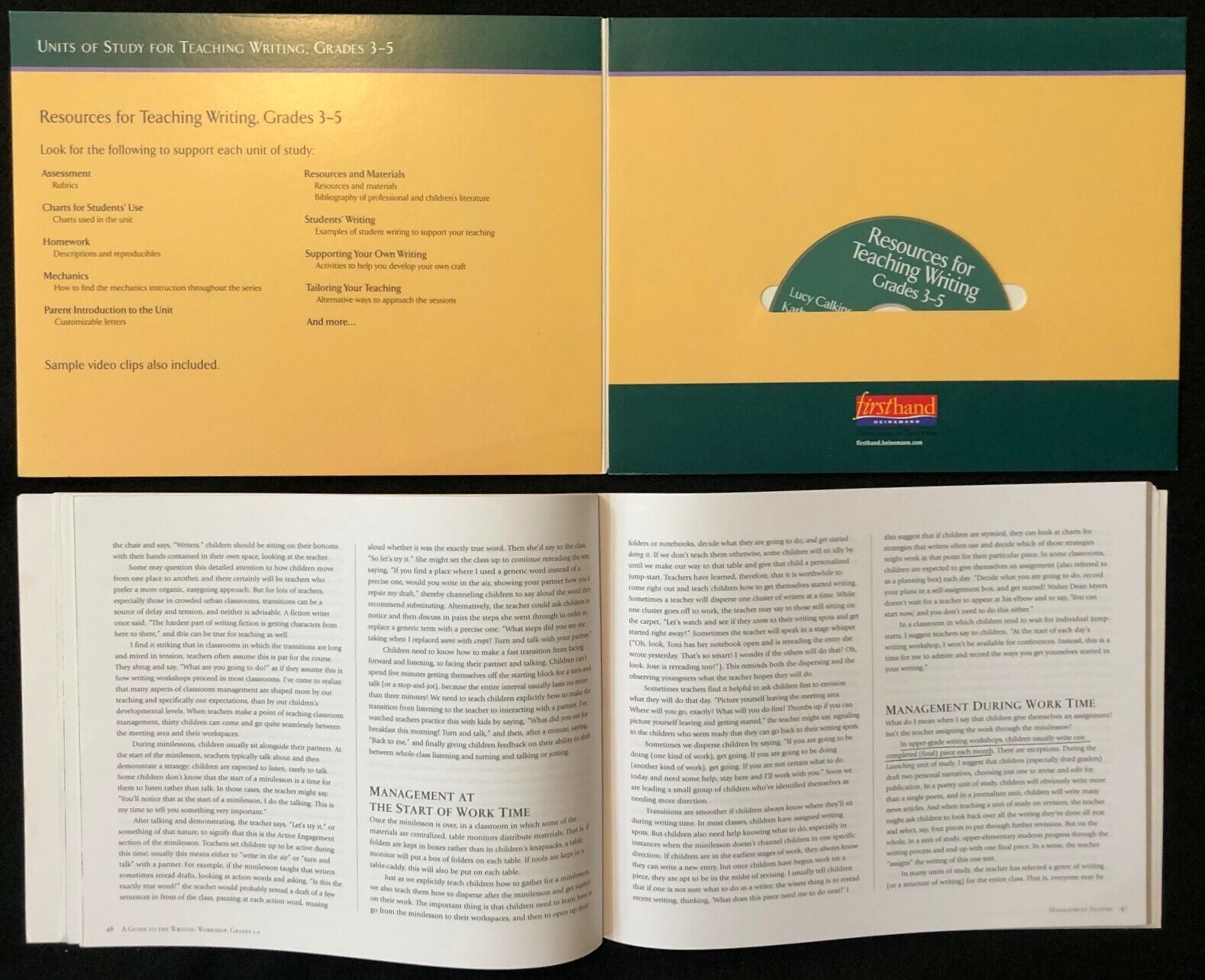
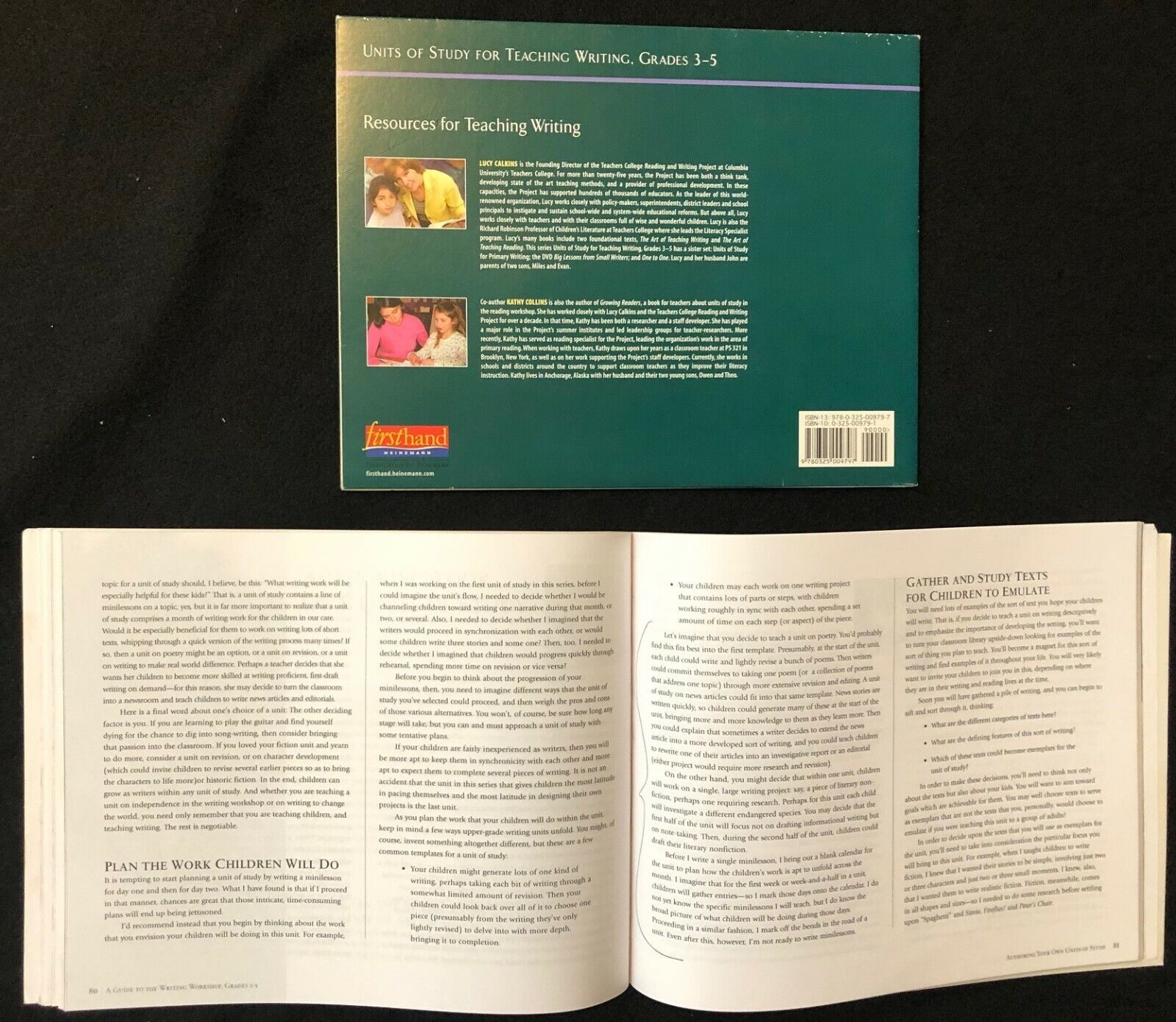
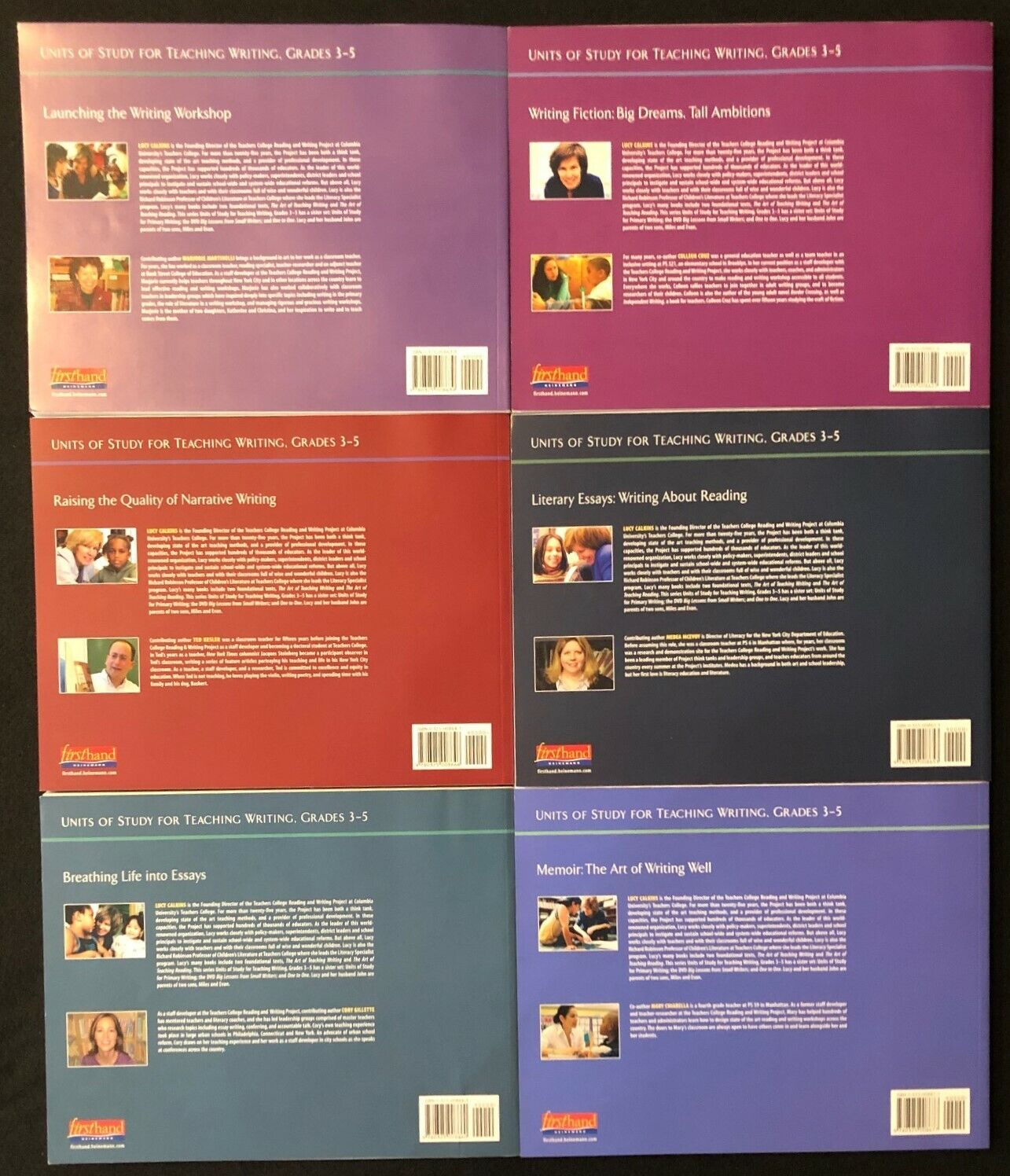
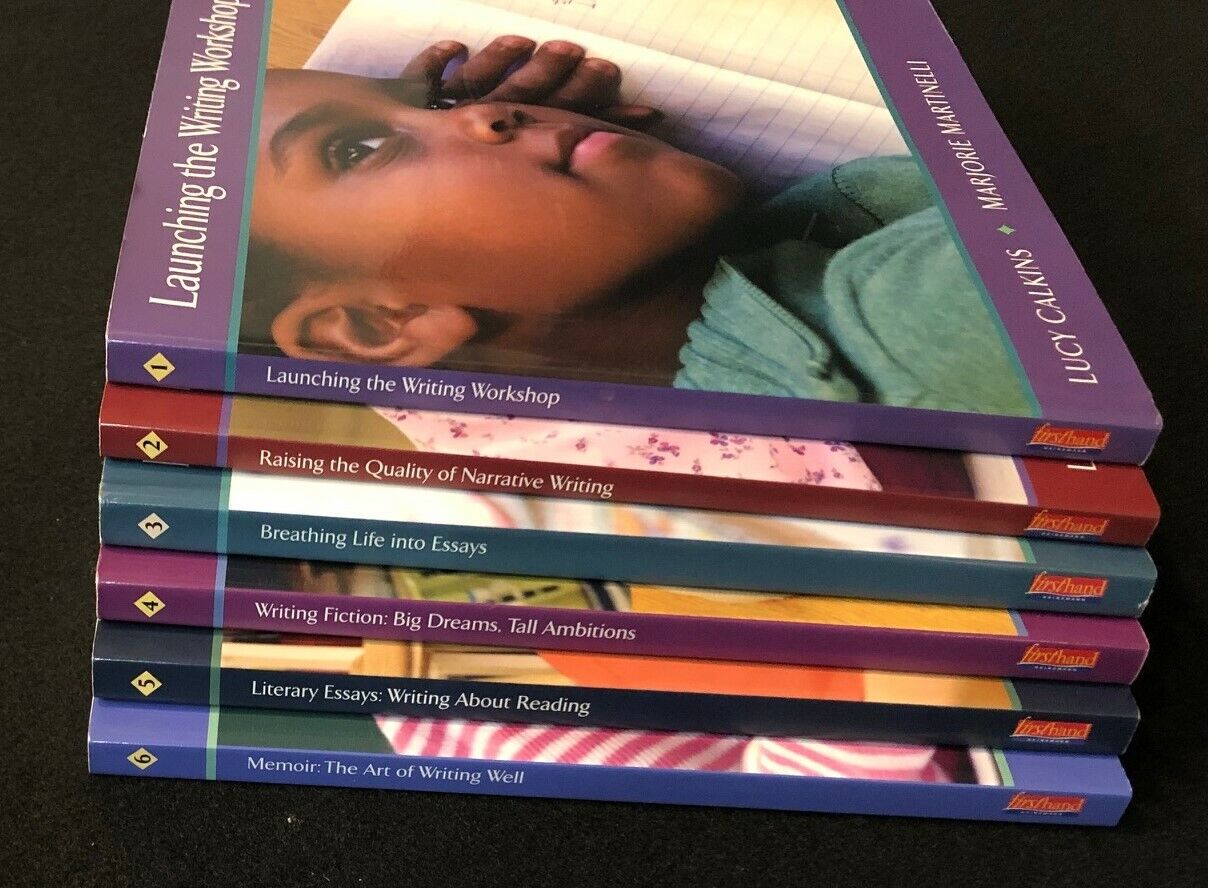
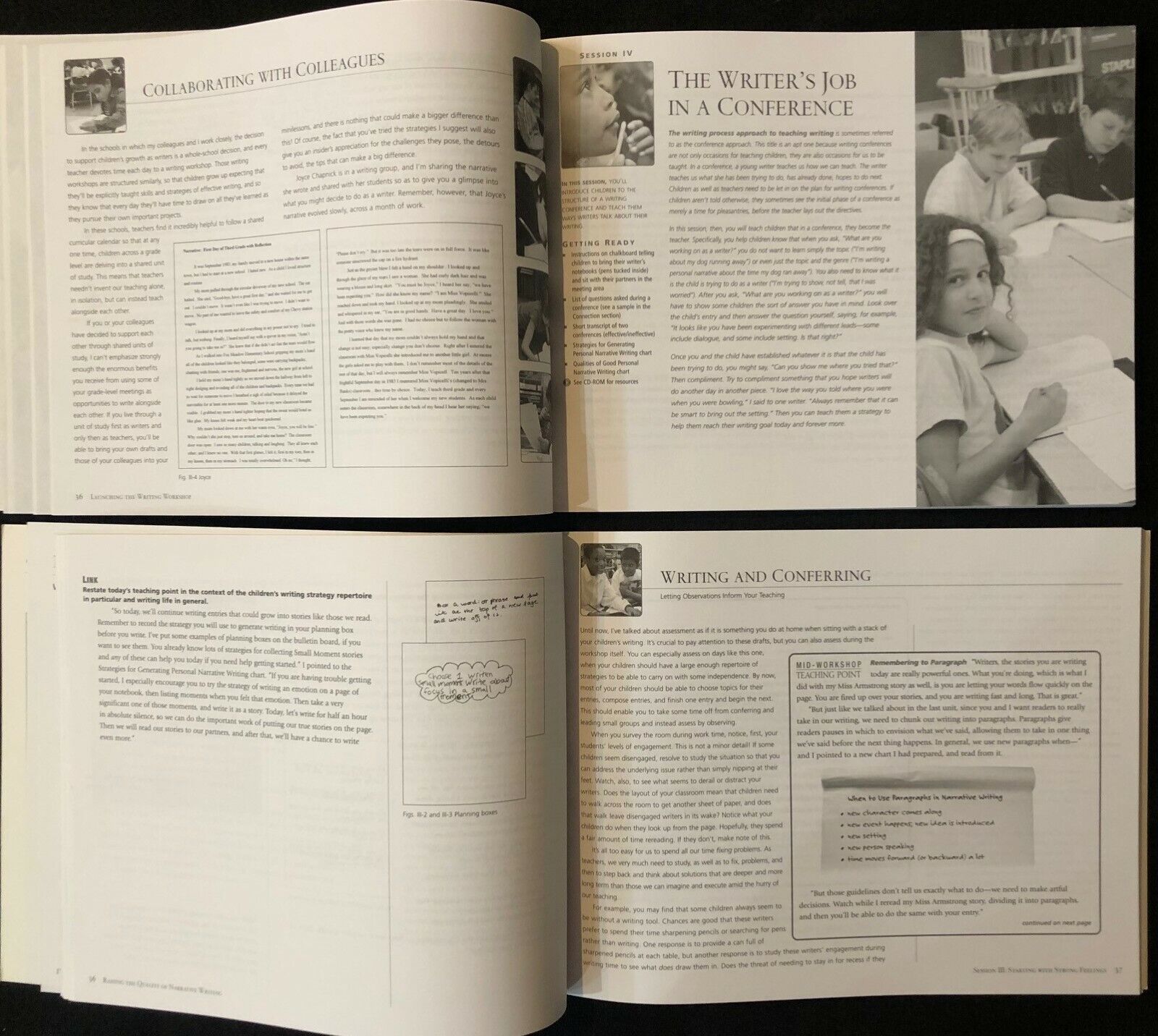
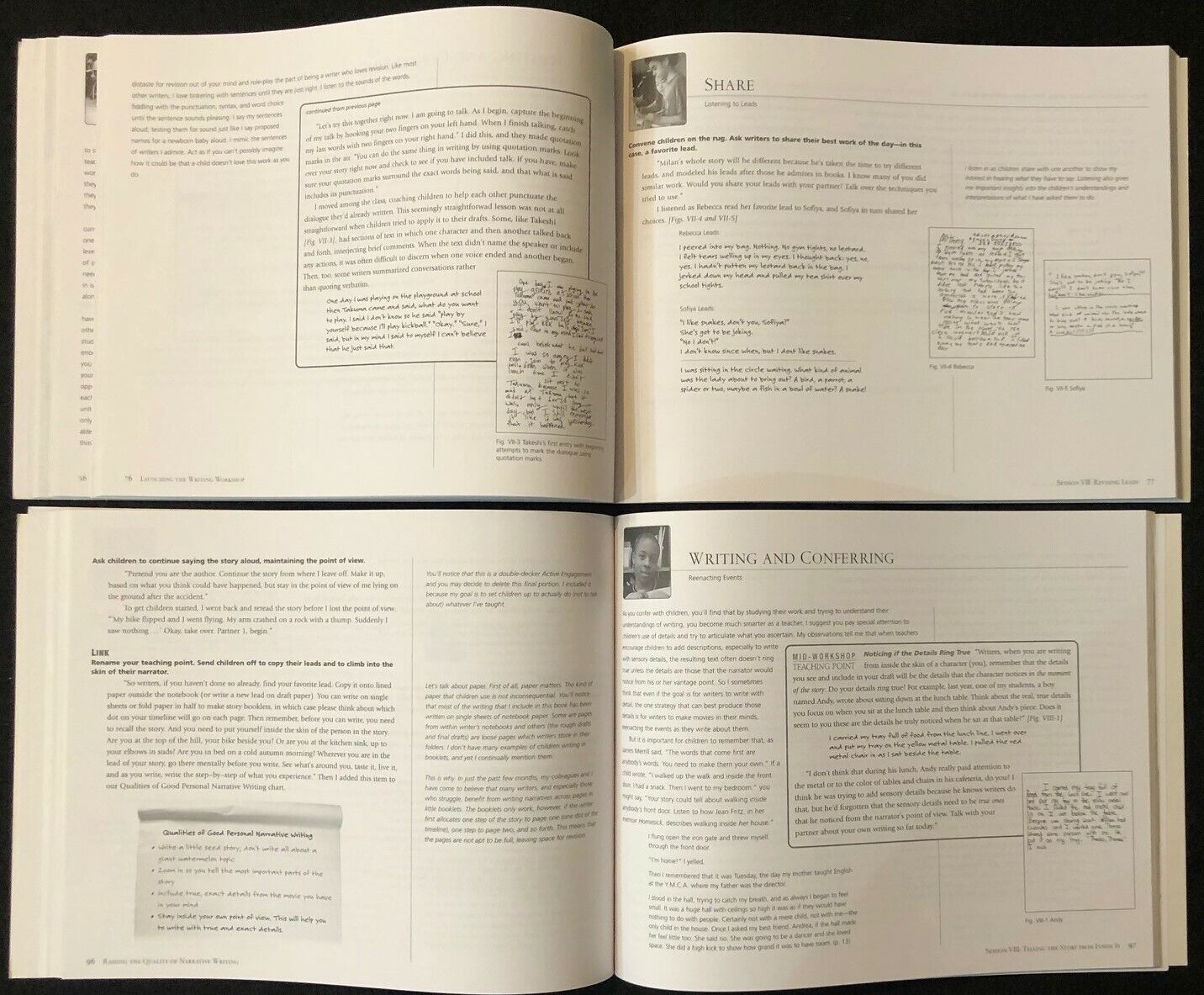
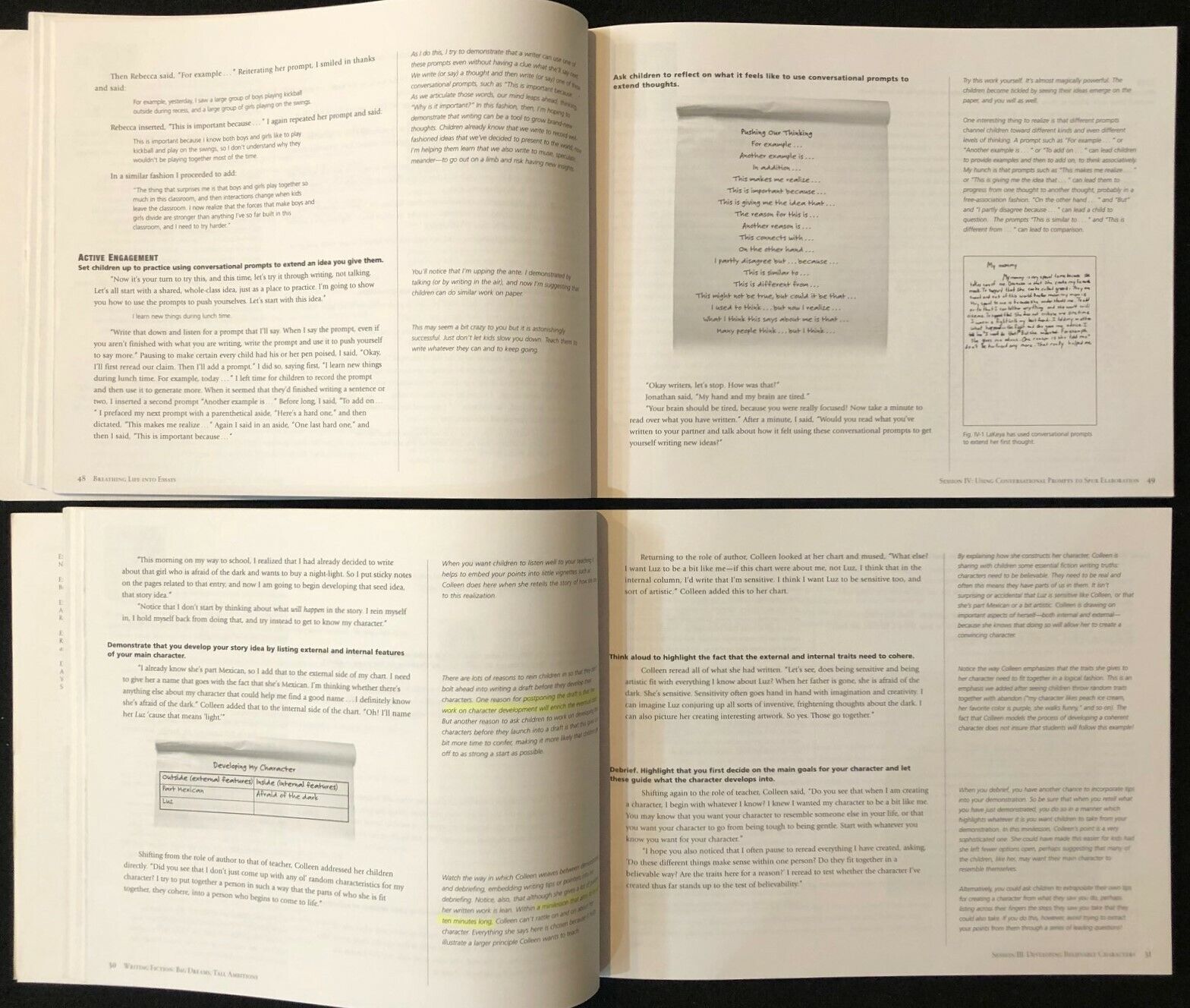
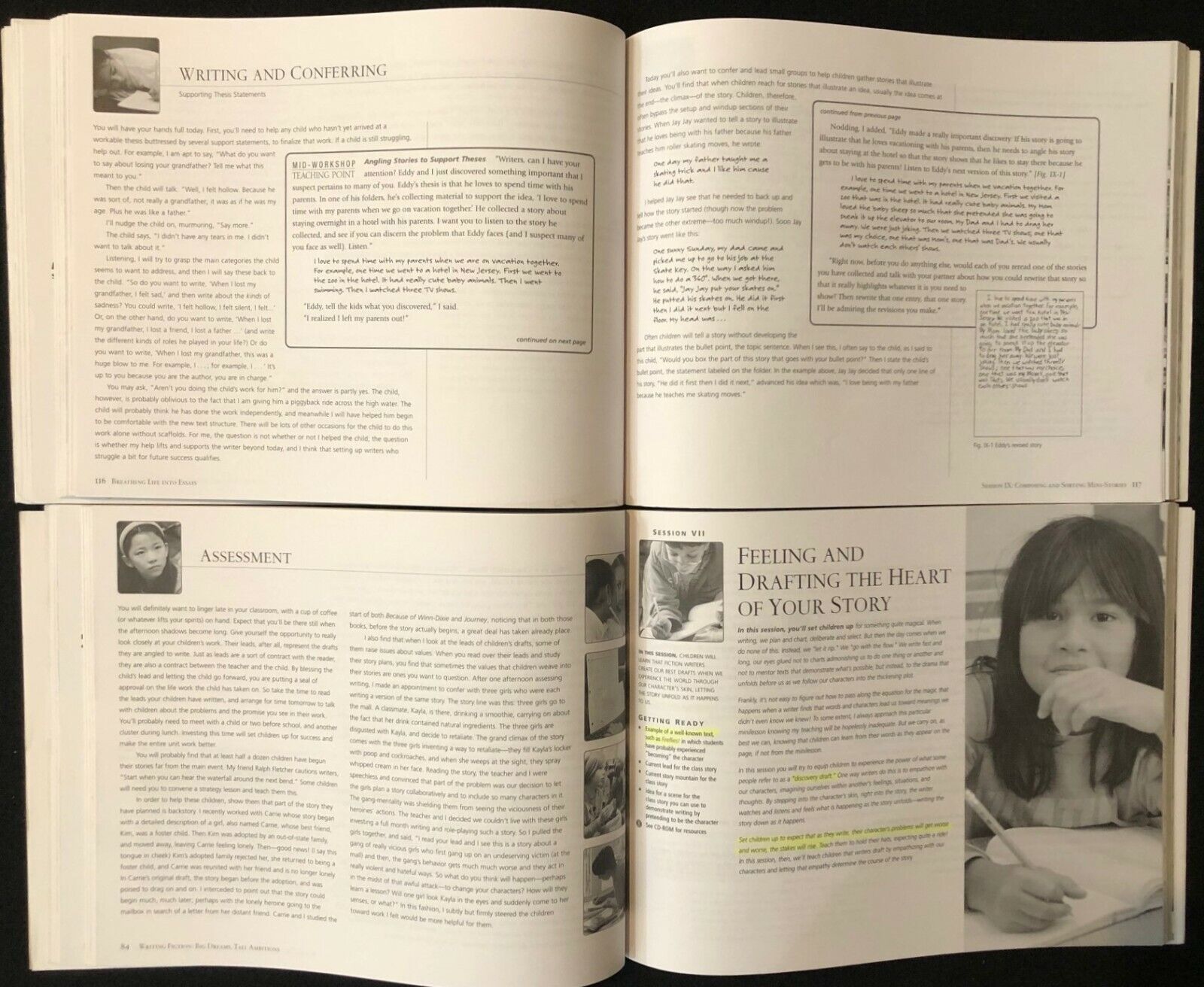
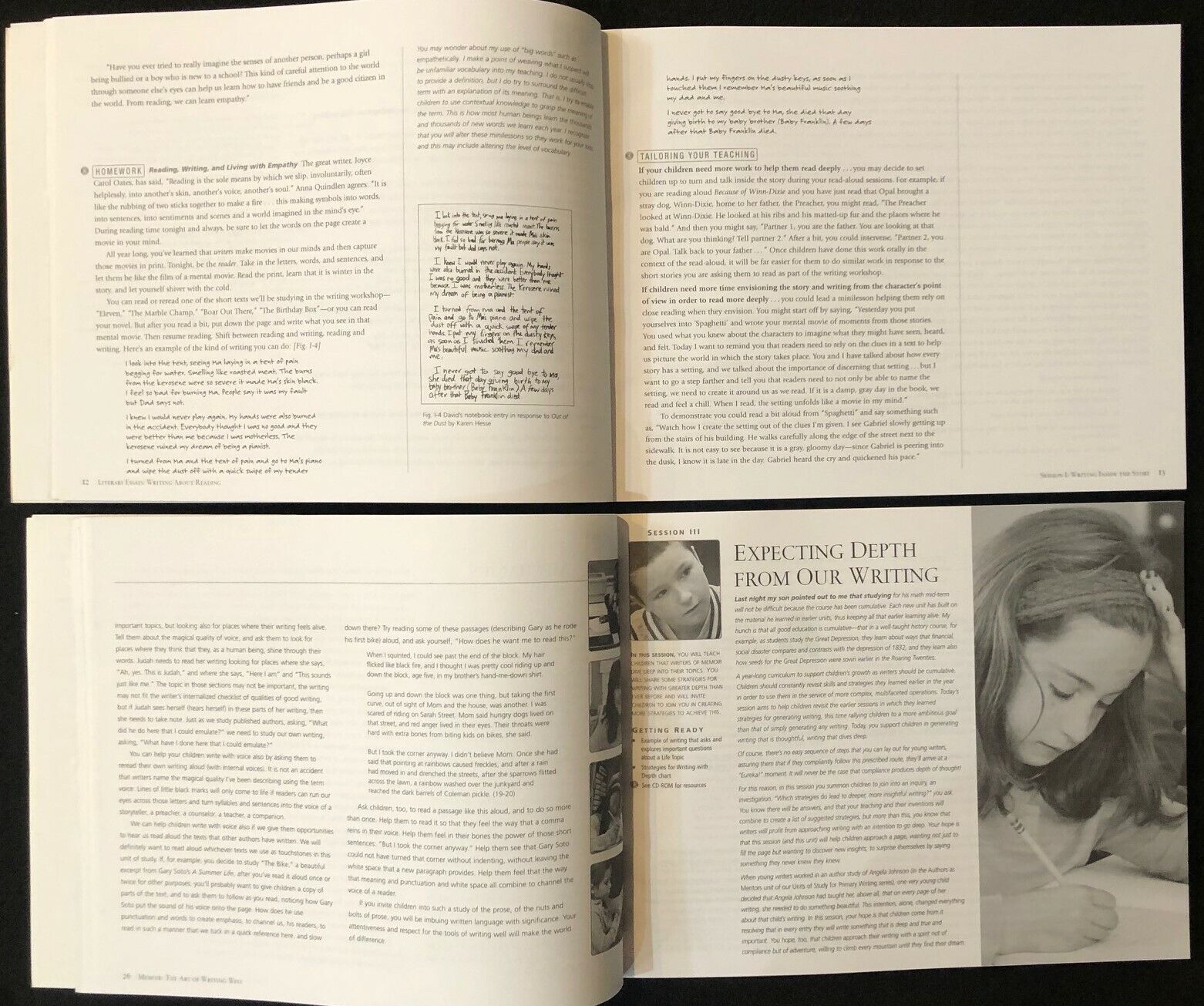
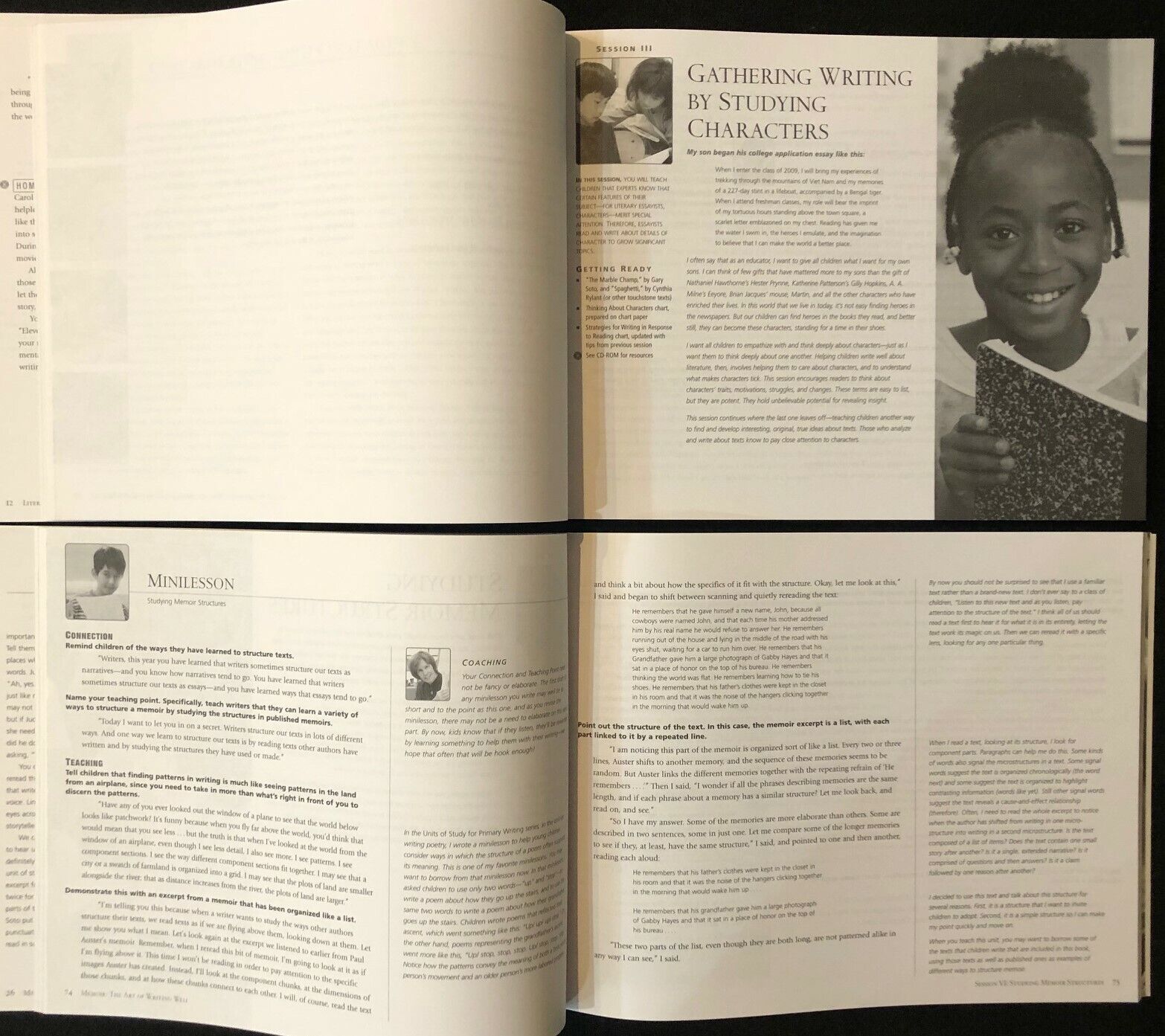
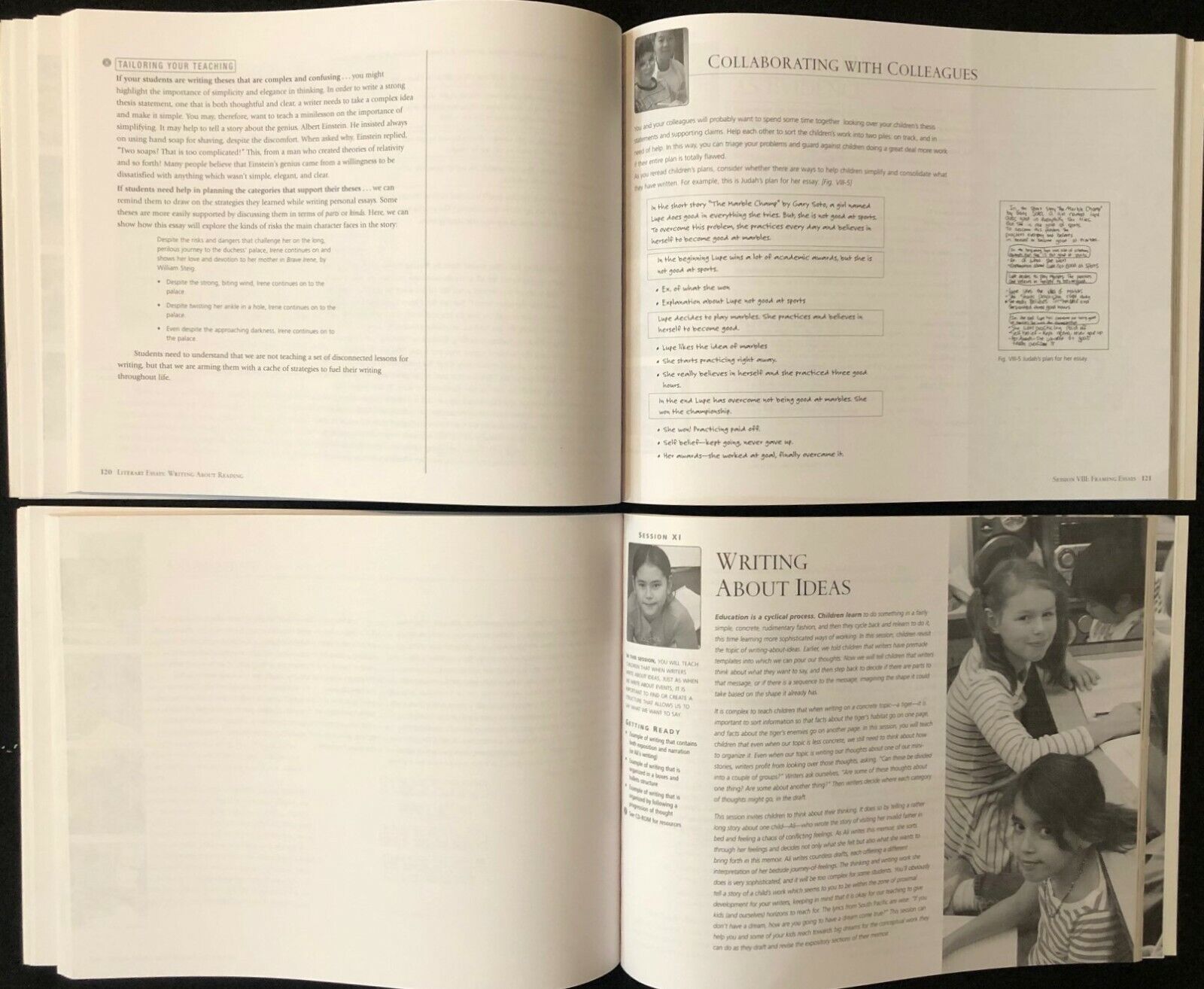
(SET) Manuals, Resources, CDPublisher: firsthand Copyright: 2006 This is a tremendous, year-long program designed to get students writing and ENJOYING it! This series is for INTERMEDIATE STUDENTS, grades 3rd - 5th. As the skills and practices move along, some may be geared for younger students, while some are meant to help the older students refine and expand their writing. This is a huge set with a CD-ROM, a Beginning Teacher "Set up" book, and 6 manuals covering various aspects of writing; such as the art of writing well, writing essays about reading, writing fiction, narrative writing, conferencing, learning the types of writing, writing skills and processes, etc. These are the 8 items you will receive and their contents: RESOURCES FOR TEACHING WRITING CD-ROM includes video clips and printable reproducibles. These are some of the print resources available on this CD-ROM: Assessment Rubrics Charts for Students' Use Homework Mechanics Parent Introduction to the Unit Resources and Materials Students' Writing Supporting Your Own Writing Tailoring Your Teaching And more... Sample Video Clips Also Included on the CD. A GUIDE TO THE WRITING WORKSHOP Chapter 1 About the Series Chapter 2 The Foundations of a Writing Workshop Chapter 3 The Writing Process or Upper-Elementary-Grade Writers Chapter 4 Planning a Yearlong Curriculum Chapter 5 Provisioning a Writing Workshop Chapter 6 Management Systems Chapter 7 The Patterns of Minilessons Chapter 8 The Patterns of Conferences Chapter 9 Authoring Your Own Units of Study Chapter 10 Supporting English Language Learners Chapter 11 Preparing for Standardized Writing Tests Chapter 12 Assessment LAUNCHING THE WRITING WORKSHOP Welcome to Unit 1 I. Starting the Writing Workshop II. Generating More Writing III. Qualities of Good Writing: Focus, Detail, and Structure IV. The Writer's Job in a Conference V. Building Stories Step-by-Step VI. Choosing a Seed Idea VII. Revising Leads: Learning from Published Writing VIII. Writing Discovery Drafts IX. Revising Endings: Learning from Published Writing X. Take Charge of Our Writing Work: Starting a Second Piece XI. Timelines as Tools for Planning Stories XII. Timelines as Tools for Developing Stories XIII. Writing from Inside a Memory XIV. Writing in Passages of Thought: Paragraphing to Support Elaboration XV. Developing the Heart of a Story: Revision XVI. Using Editing Checklists XVII. Publishing: A Writing Community Celebrates RAISING THE QUALITY OF NARRATIVE WRITING Welcome to Unit 2 I. Reading with a Writer's Eye II. Starting with Turning Points III. Starting with Strong Feelings IV. Yesterday's Revisions Become Today's Standard Practice V. Listening for Significance in Seed Ideas VI. Writers Ask, "What Am I Really Trying to Say?" VII. Studying and Creating Leads VIII. Telling the Story From Inside It IX. Bringing Forth the Internal Story X. Adding Scenes from the Past and Future XI. Bringing Forth the Story Arc XII. Ending Stories XIII. Editing: The Power of Commas XIV. Reading Aloud Our Writing: A Ceremony of Celebration BREATHING LIFE INTO ESSAYS Welcome to Unit 3 I. Collecting Ideas as Essayists II. Growing Essay Ideas in Notebooks III. Contrasting Narrative and Non-Narrative Structures IV. Using Conversational Prompts to Spur Elaboration V. Generating Essay Writing from Narrative Writing VI. Finding and Crafting Thesis Statements VII. Boxes and Bullets: Framing Essays VIII. Learning to Outgrow a First Thesis IX. Composing and Sorting Mini-Stories X. Seeking Outside Sources XI. Creating Parallelism in Lists XII. Revising Toward Honesty XIII. Gathering a Variety of Information XIV. Organizing for Drafting XV. Building a Cohesive Draft XVI. Writing Introductions and Conclusions XVII. Celebrating Journeys of Thought WRITING FICTION: BIG DREAMS, TALL AMBITIONS Welcome to Unit 4 I. Imagining Stories from Ordinary Moments II. Imagining Stories We Wish Existed in the World III. Developing Believable Characters IV. Giving Characters Struggles and Motivations V. Plotting with a Story Mountain VI. Show Don't Tell: Planning and Writing Scenes VII. Feeling and Drafting the Heart of Your Story VIII. Studying Published Leads to Make Leads IX. Orienting Readers with Setting X. Writing Powerful Endings XI. Revision: Rereading with a Lens XII. Making a Space for Writing XIII. Using Mentor Texts to Flesh out Characters XIV. Editing with Various Lenses XV. Publishing Anthologies: A Celebration LITERARY ESSAYS: WRITING ABOUT READING Welcome to Unit 5 I. Writing Inside the Story II. Gathering Writing by Close Reading III. Gathering Writing by Studying Characters IV. Elaborating on Written Ideas Using Conversational Prompts V. Developing Provocative Ideas: "What is This Story Really About?" VI. Developing Provocative Ideas: "How Does This Story Intersect with My Life?" VII. Finding and Testing a Thesis Statement VIII. Framing Essays IX. Using Stories as Evidence X. Using Summaries as Evidence XI. Using Lists as Evidence XII. Using Descriptions of Author's Craftsmanship as Evidence XIII. Putting It All Together - Constructing Literary Essays XIV. Packaging and Polishing Literary Essays XV. A Celebration: Publishing as Literary Scholars MEMOIR: THE ART OF WRITING WELL Welcome to the Unit I. Uncovering Life Topics II. Writing Small About Big Topics III. Expecting Depth from Our Writing IV. Reading Literature to Inspire Writing V. Choosing and Developing a Seed Idea VI. Studying Memoir Structures VII. Being Our Own Teachers VIII. Finding Inspiration Before Drafting IX. The Internal and External Journey of a Story X. Choosing Emblematic Details XI. Writing About Ideas XII. Letting our Pages Lead Our Revision XIII. Metaphors and Meanings XIV. Editing to Match Sound to Meaning XV. An Author's Final Celebration: Placing Our Writing in the Company of OthersThese materials were purchased from a school district's surplus sale.We ship within 1 business day of receiving payment. Thank you!
(SET) Manuals, Resources, CDPublisher: firsthand Copyright: 2006 This is a tremendous, year-long program designed to get students writing and ENJOYING it! This series is for INTERMEDIATE STUDENTS, grades 3rd - 5th. As the skills and practices move along, some may be geared for younger students, while some are meant to help the older students refine and expand their writing. This is a huge set with a CD-ROM, a Beginning Teacher "Set up" book, and 6 manuals covering various aspects of writing; such as the art of writing well, writing essays about reading, writing fiction, narrative writing, conferencing, learning the types of writing, writing skills and processes, etc. These are the 8 items you will receive and their contents: RESOURCES FOR TEACHING WRITING CD-ROM includes video clips and printable reproducibles. These are some of the print resources available on this CD-ROM: Assessment Rubrics Charts for Students' Use Homework Mechanics Parent Introduction to the Unit Resources and Materials Students' Writing Supporting Your Own Writing Tailoring Your Teaching And more... Sample Video Clips Also Included on the CD. A GUIDE TO THE WRITING WORKSHOP Chapter 1 About the Series Chapter 2 The Foundations of a Writing Workshop Chapter 3 The Writing Process or Upper-Elementary-Grade Writers Chapter 4 Planning a Yearlong Curriculum Chapter 5 Provisioning a Writing Workshop Chapter 6 Management Systems Chapter 7 The Patterns of Minilessons Chapter 8 The Patterns of Conferences Chapter 9 Authoring Your Own Units of Study Chapter 10 Supporting English Language Learners Chapter 11 Preparing for Standardized Writing Tests Chapter 12 Assessment LAUNCHING THE WRITING WORKSHOP Welcome to Unit 1 I. Starting the Writing Workshop II. Generating More Writing III. Qualities of Good Writing: Focus, Detail, and Structure IV. The Writer's Job in a Conference V. Building Stories Step-by-Step VI. Choosing a Seed Idea VII. Revising Leads: Learning from Published Writing VIII. Writing Discovery Drafts IX. Revising Endings: Learning from Published Writing X. Take Charge of Our Writing Work: Starting a Second Piece XI. Timelines as Tools for Planning Stories XII. Timelines as Tools for Developing Stories XIII. Writing from Inside a Memory XIV. Writing in Passages of Thought: Paragraphing to Support Elaboration XV. Developing the Heart of a Story: Revision XVI. Using Editing Checklists XVII. Publishing: A Writing Community Celebrates RAISING THE QUALITY OF NARRATIVE WRITING Welcome to Unit 2 I. Reading with a Writer's Eye II. Starting with Turning Points III. Starting with Strong Feelings IV. Yesterday's Revisions Become Today's Standard Practice V. Listening for Significance in Seed Ideas VI. Writers Ask, "What Am I Really Trying to Say?" VII. Studying and Creating Leads VIII. Telling the Story From Inside It IX. Bringing Forth the Internal Story X. Adding Scenes from the Past and Future XI. Bringing Forth the Story Arc XII. Ending Stories XIII. Editing: The Power of Commas XIV. Reading Aloud Our Writing: A Ceremony of Celebration BREATHING LIFE INTO ESSAYS Welcome to Unit 3 I. Collecting Ideas as Essayists II. Growing Essay Ideas in Notebooks III. Contrasting Narrative and Non-Narrative Structures IV. Using Conversational Prompts to Spur Elaboration V. Generating Essay Writing from Narrative Writing VI. Finding and Crafting Thesis Statements VII. Boxes and Bullets: Framing Essays VIII. Learning to Outgrow a First Thesis IX. Composing and Sorting Mini-Stories X. Seeking Outside Sources XI. Creating Parallelism in Lists XII. Revising Toward Honesty XIII. Gathering a Variety of Information XIV. Organizing for Drafting XV. Building a Cohesive Draft XVI. Writing Introductions and Conclusions XVII. Celebrating Journeys of Thought WRITING FICTION: BIG DREAMS, TALL AMBITIONS Welcome to Unit 4 I. Imagining Stories from Ordinary Moments II. Imagining Stories We Wish Existed in the World III. Developing Believable Characters IV. Giving Characters Struggles and Motivations V. Plotting with a Story Mountain VI. Show Don't Tell: Planning and Writing Scenes VII. Feeling and Drafting the Heart of Your Story VIII. Studying Published Leads to Make Leads IX. Orienting Readers with Setting X. Writing Powerful Endings XI. Revision: Rereading with a Lens XII. Making a Space for Writing XIII. Using Mentor Texts to Flesh out Characters XIV. Editing with Various Lenses XV. Publishing Anthologies: A Celebration LITERARY ESSAYS: WRITING ABOUT READING Welcome to Unit 5 I. Writing Inside the Story II. Gathering Writing by Close Reading III. Gathering Writing by Studying Characters IV. Elaborating on Written Ideas Using Conversational Prompts V. Developing Provocative Ideas: "What is This Story Really About?" VI. Developing Provocative Ideas: "How Does This Story Intersect with My Life?" VII. Finding and Testing a Thesis Statement VIII. Framing Essays IX. Using Stories as Evidence X. Using Summaries as Evidence XI. Using Lists as Evidence XII. Using Descriptions of Author's Craftsmanship as Evidence XIII. Putting It All Together - Constructing Literary Essays XIV. Packaging and Polishing Literary Essays XV. A Celebration: Publishing as Literary Scholars MEMOIR: THE ART OF WRITING WELL Welcome to the Unit I. Uncovering Life Topics II. Writing Small About Big Topics III. Expecting Depth from Our Writing IV. Reading Literature to Inspire Writing V. Choosing and Developing a Seed Idea VI. Studying Memoir Structures VII. Being Our Own Teachers VIII. Finding Inspiration Before Drafting IX. The Internal and External Journey of a Story X. Choosing Emblematic Details XI. Writing About Ideas XII. Letting our Pages Lead Our Revision XIII. Metaphors and Meanings XIV. Editing to Match Sound to Meaning XV. An Author's Final Celebration: Placing Our Writing in the Company of OthersThese materials were purchased from a school district's surplus sale.We ship within 1 business day of receiving payment. Thank you!