Guiding Readers and Writers Grades 3-6 By FOUNTAS & PINNELL
$ 29.99

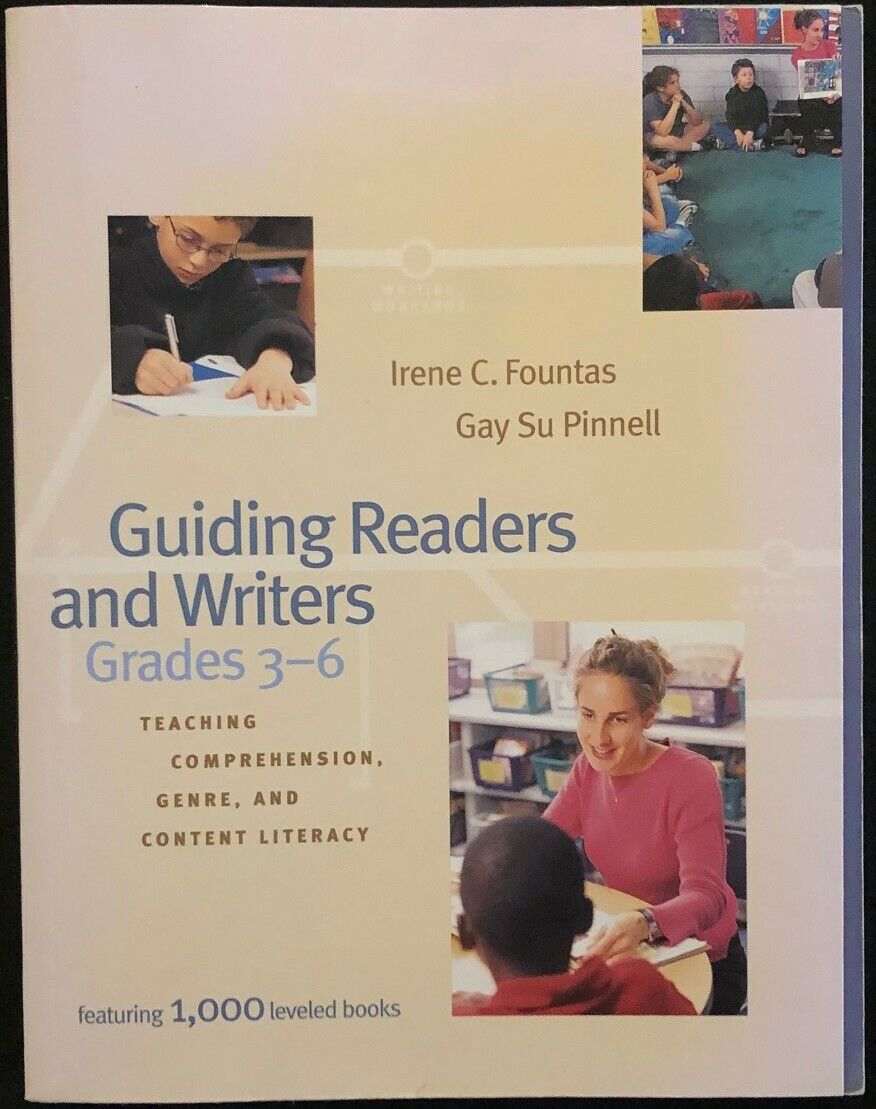
GUIDING READERS AND WRITERS GRADES 3-6 BY FOUNTAS & PINNELLAuthors: Irene C. Fountas and Gay Su Pinnell
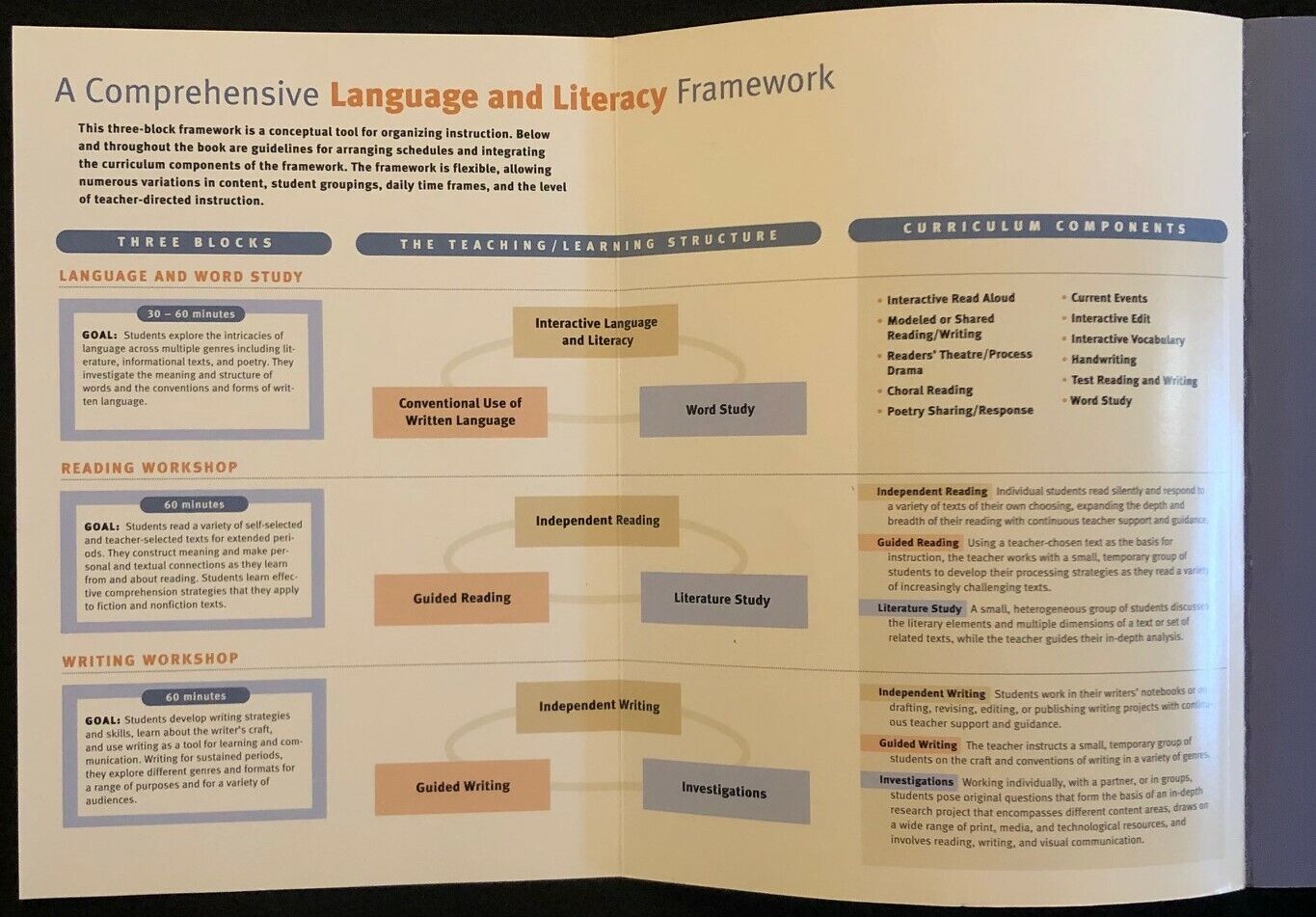
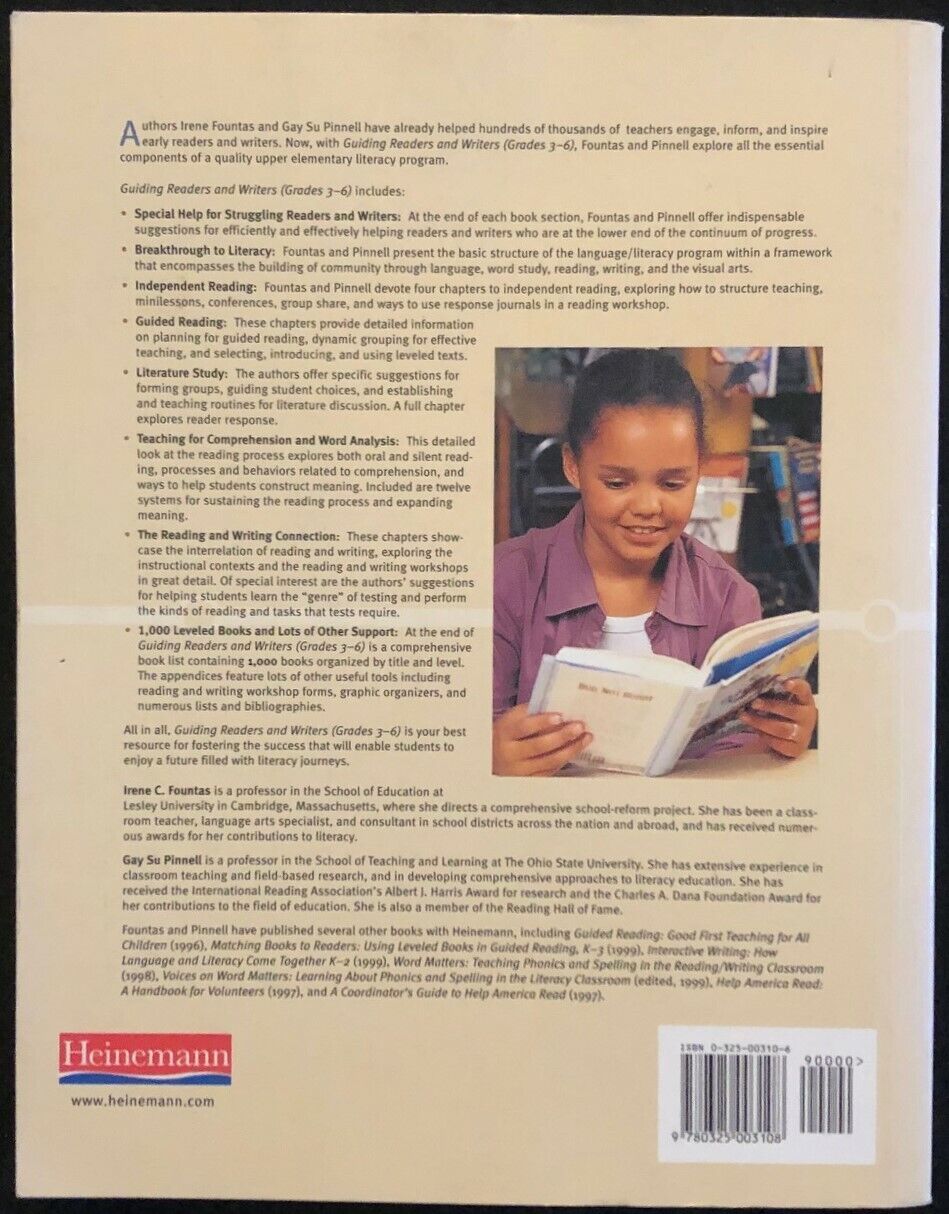
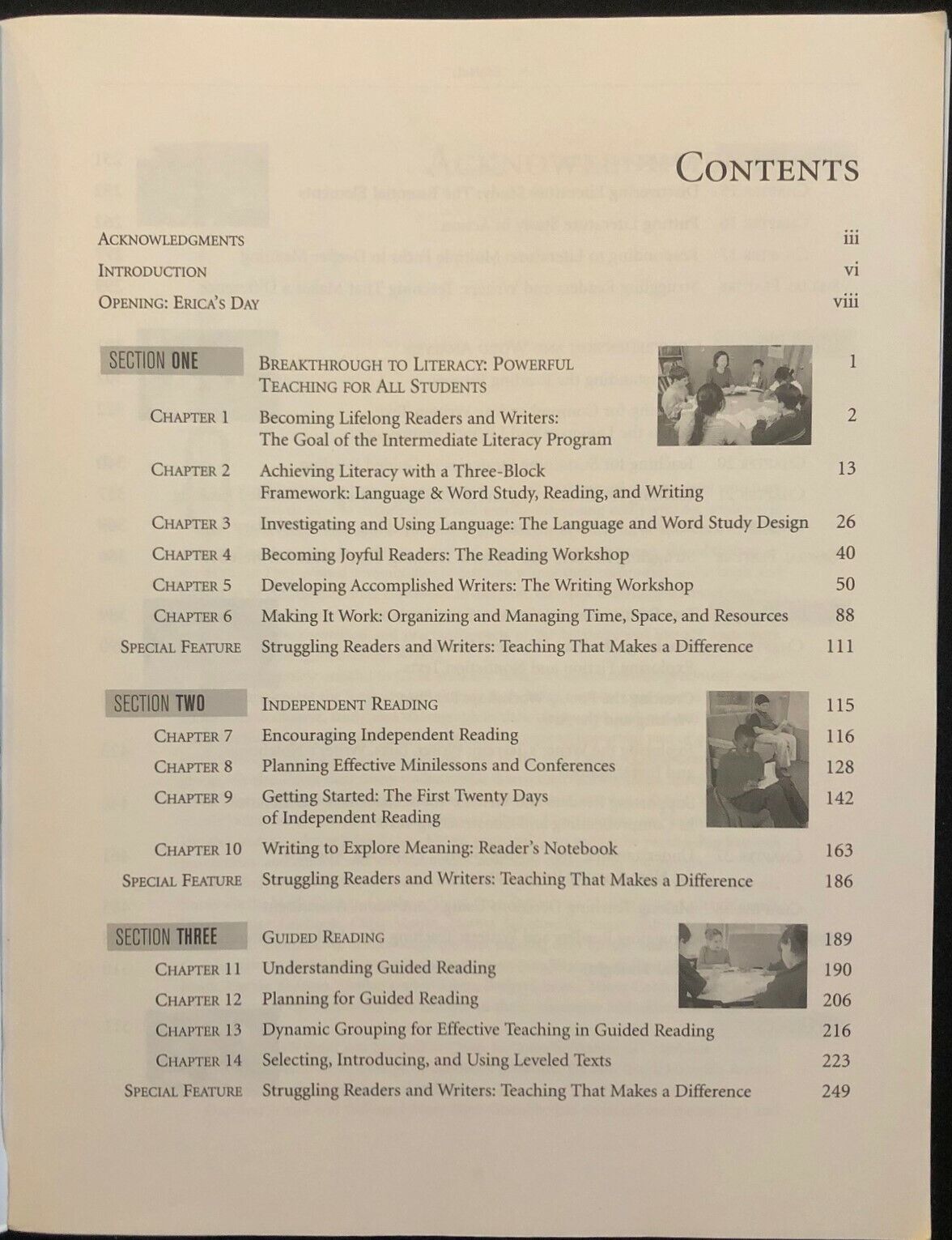
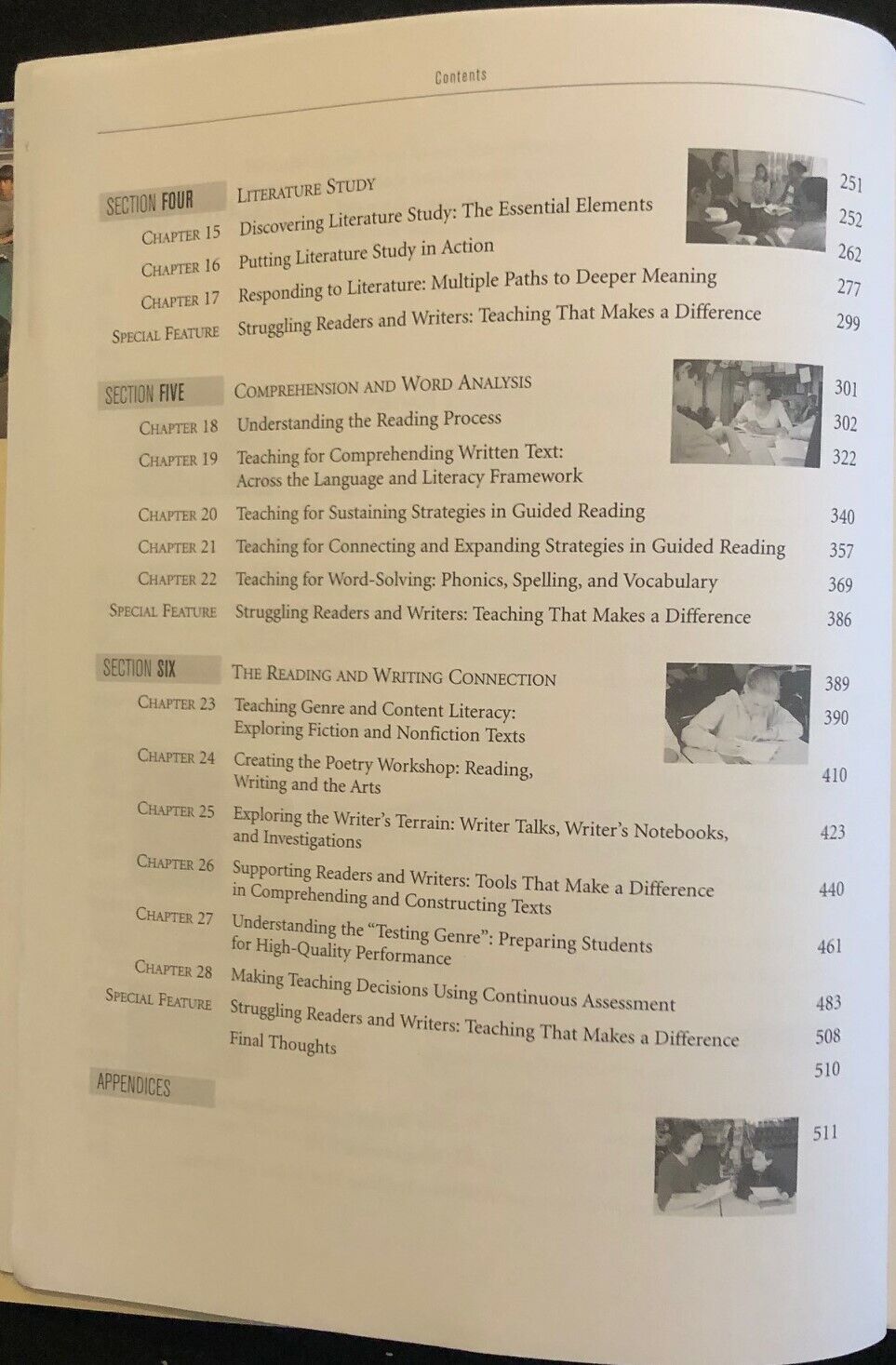
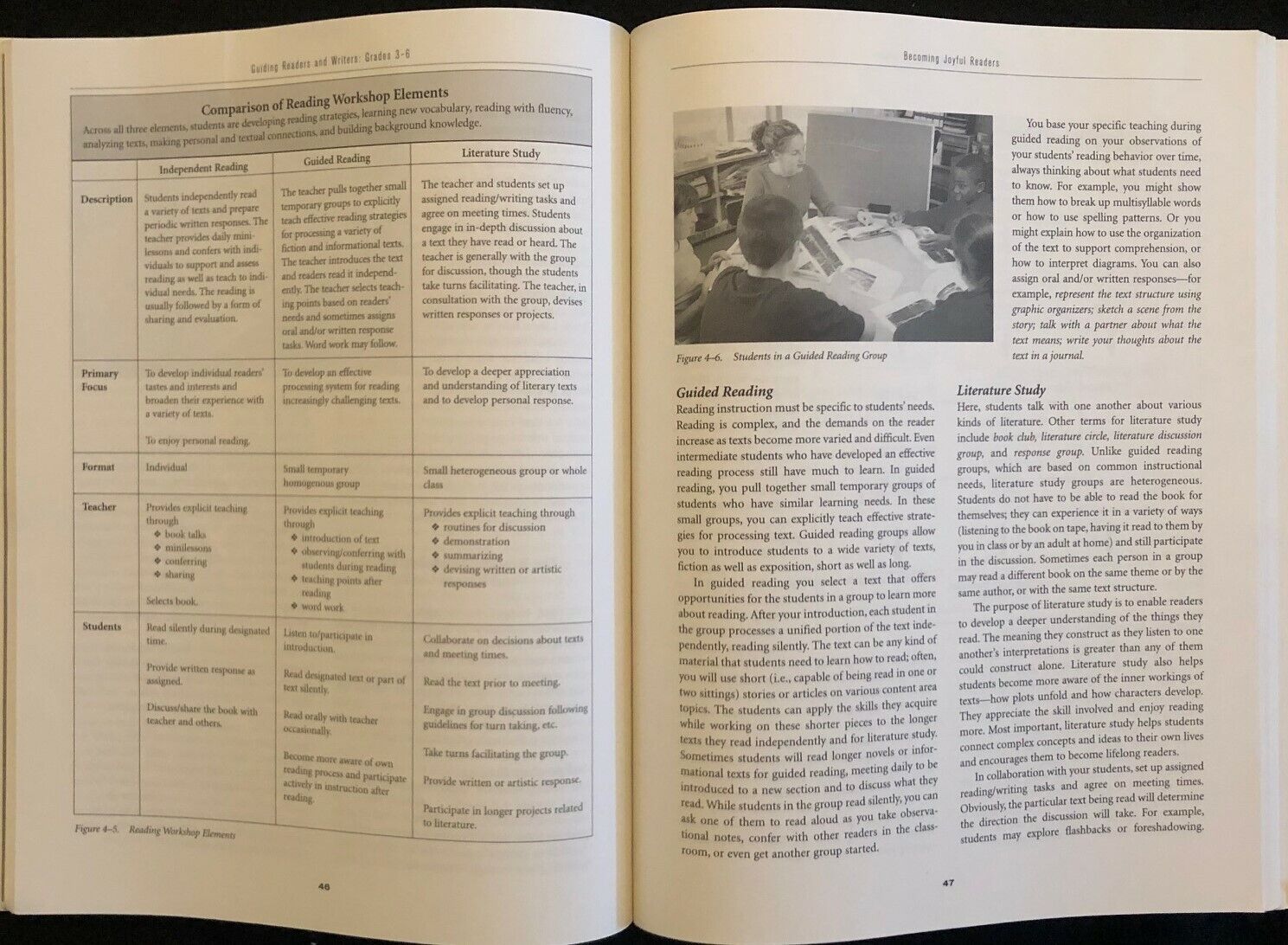
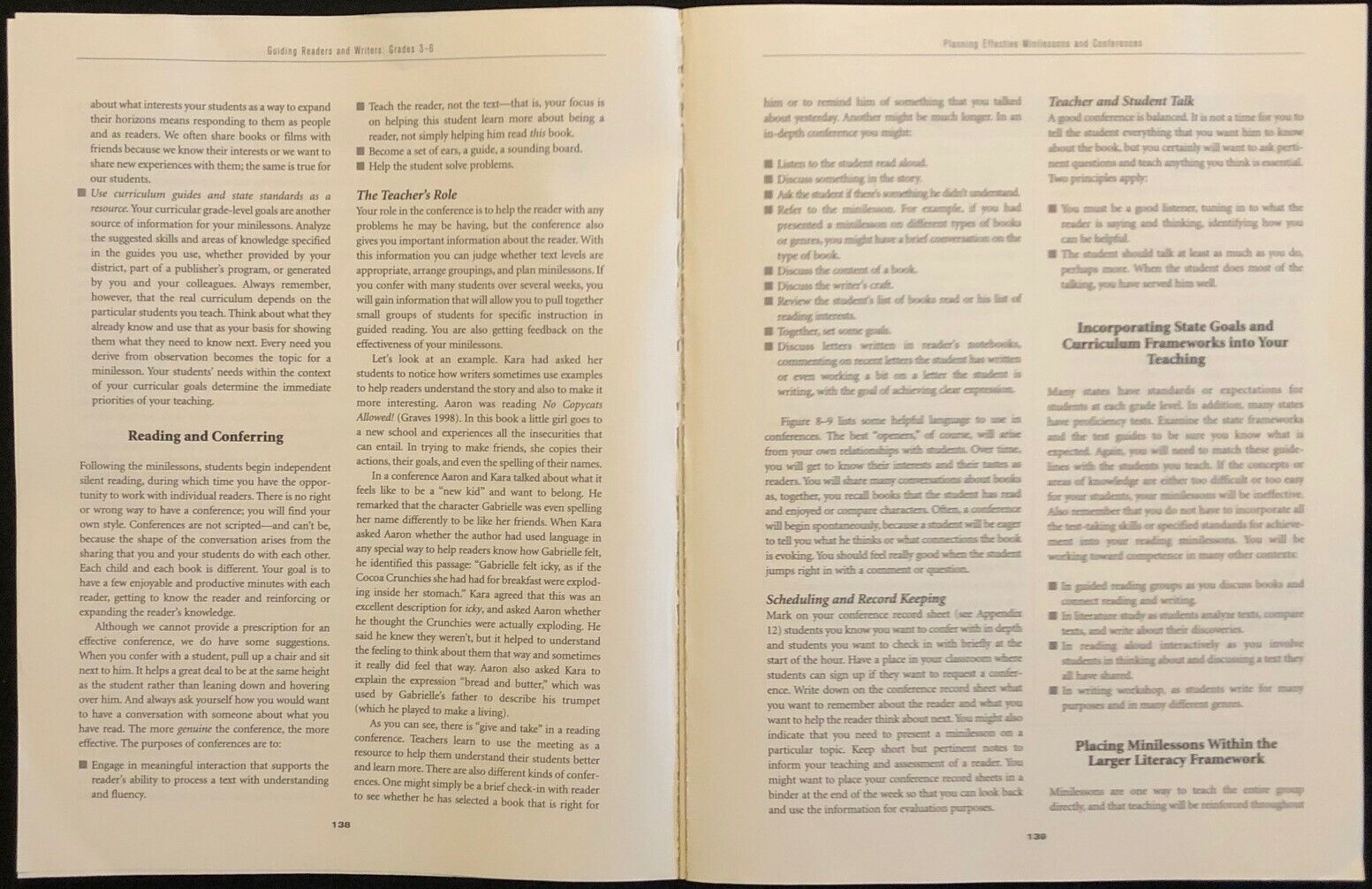
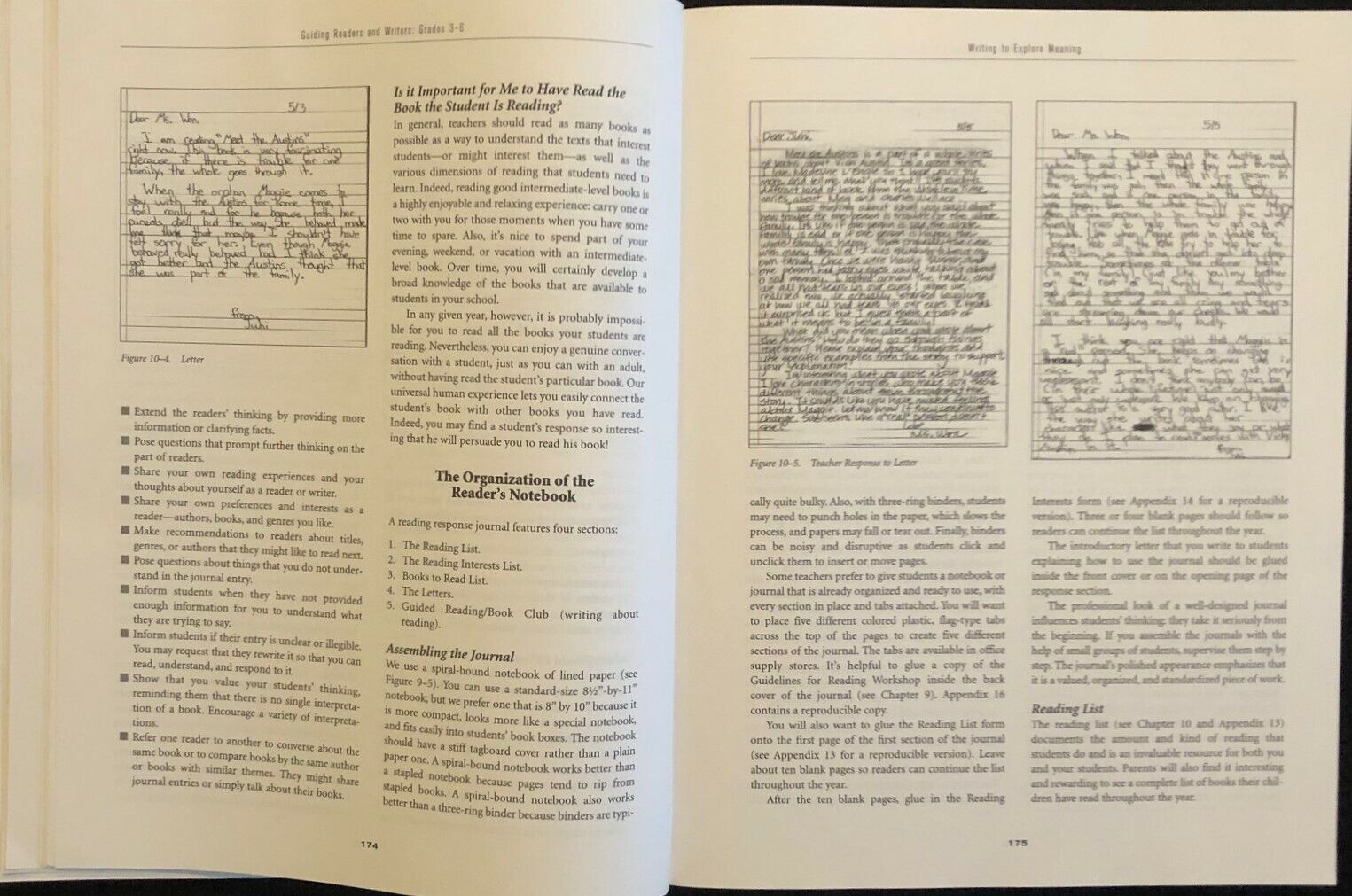
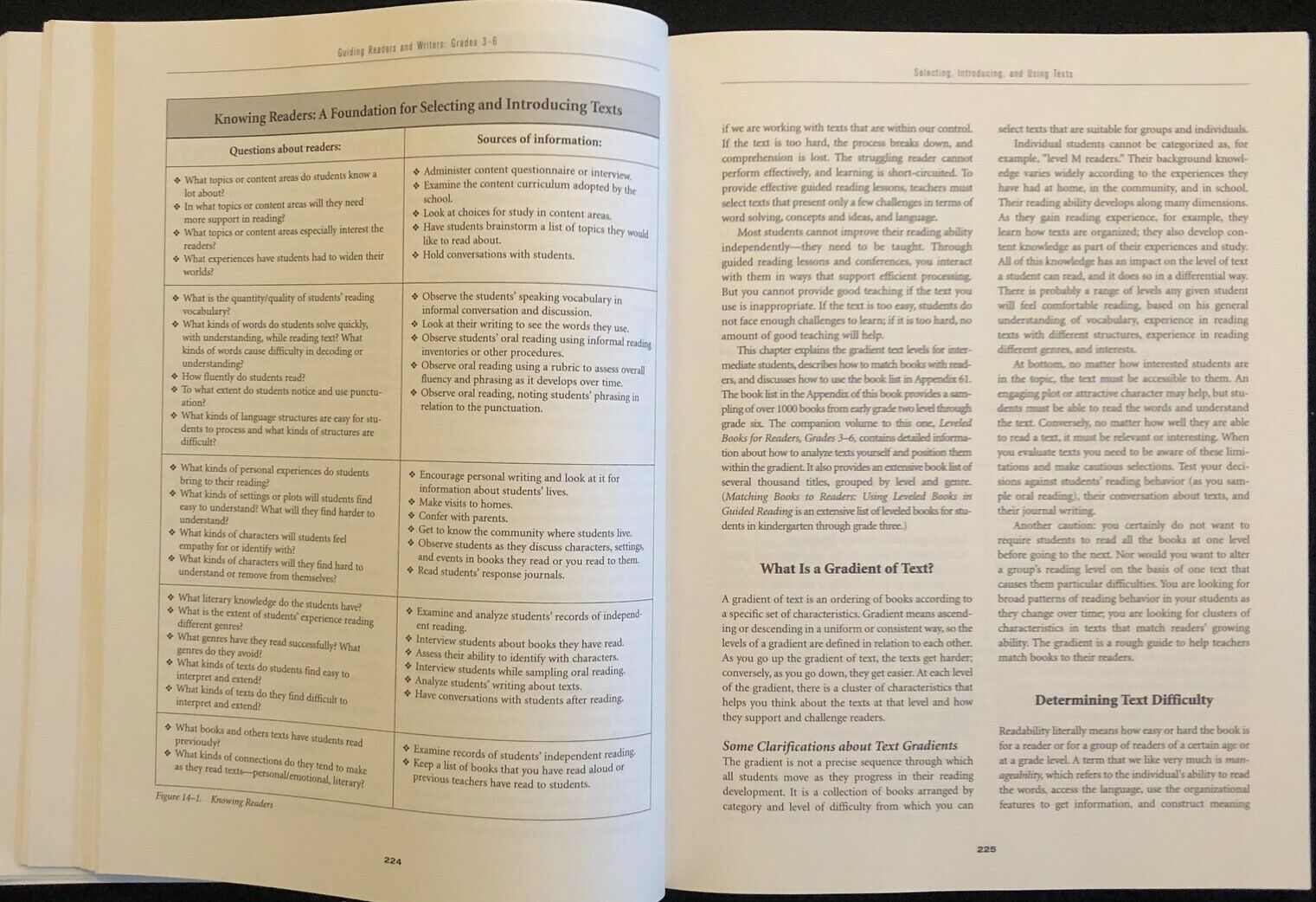
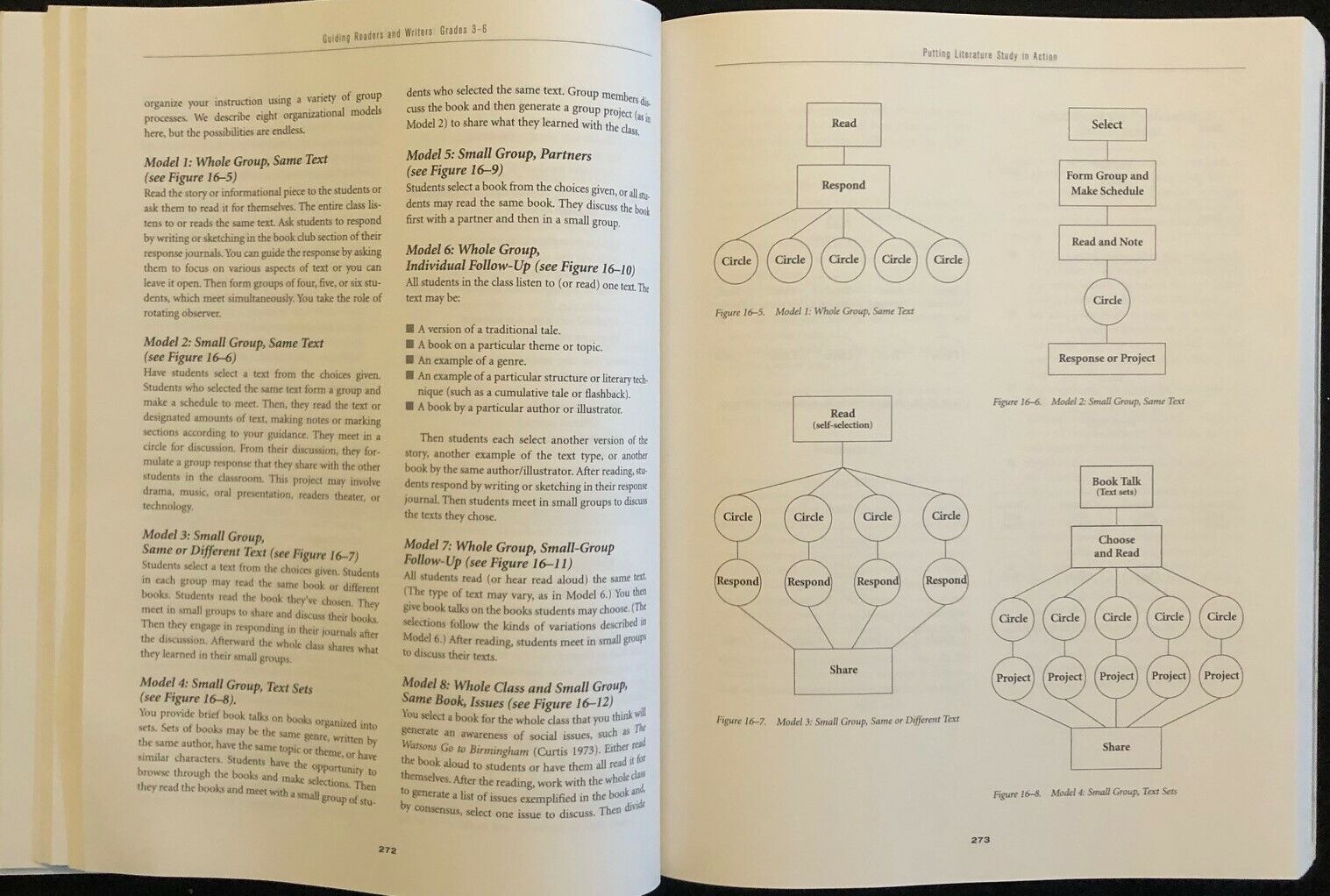
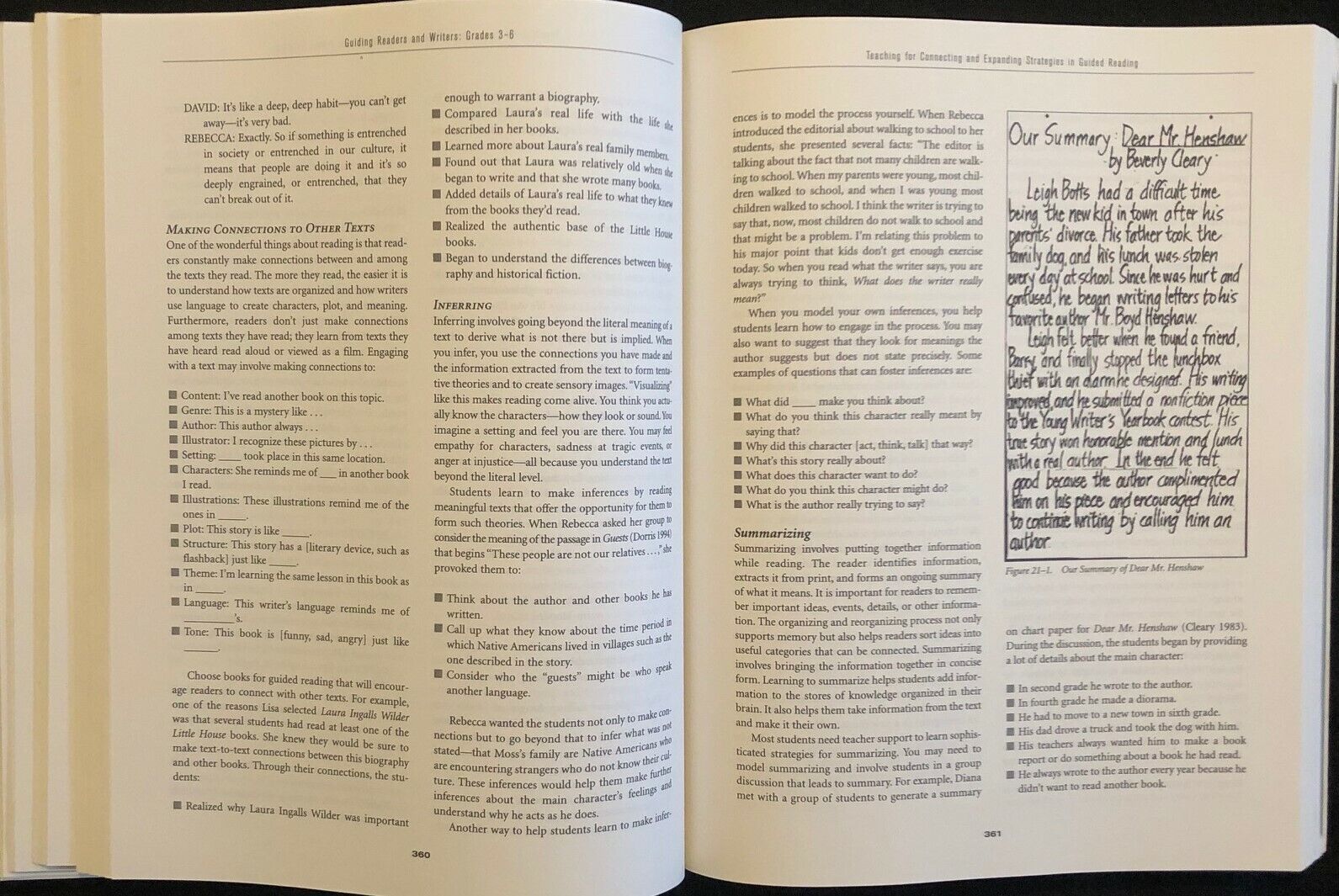
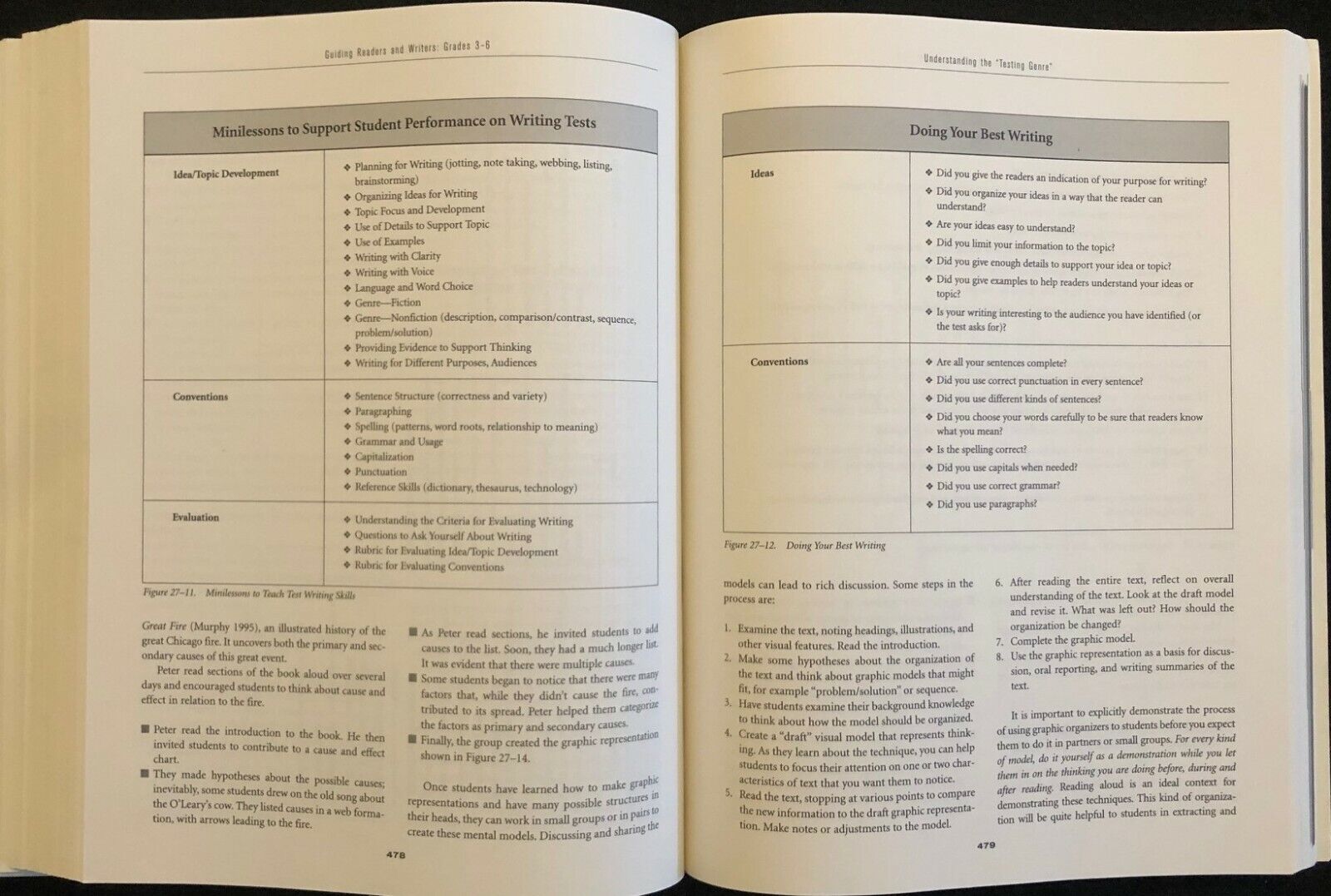
Publisher: Fountas and Pinnell (Heinemann) Copyright: 2001 Pages: 630+ This comprehensive teaching resource helps guide teachers in teaching upper elementary students to middle school. It covers language, word study, reading, writing, and visual arts. This resource also shows how to set up a Reader's and Writer's Workshop! Fountas and Pinnell show how to structure teaching, conferencing, minilessons, response journals, and group sharing. There is a wide variety of leveled text references to meet the needs of any child so that they can be successful in oral and silent reading and comprehension. From here, students can work on phonics, spelling and vocabulary. In Writer's Workshop, they show how to use text for instruction - poetry, genre reading, content literacy, writer's notebooks, etc. Fiction and nonfiction readings help students to read and write in many genres. There is also many suggestions for working with students who are struggling readers and writers!! CONTENT: Section One BREAKTHROUGH TO LITERACY: POWERFUL TEACHING FOR ALL STUDENTS Chapter 1 Becoming Lifelong Readers and Writers: The Goal of the Intermediate Literacy Program Chapter 2 Achieving Literacy with a Three-Block Framework: Language & Word Study, Reading, and Writing Chapter 3 Investigating and Using Language: The Language and Word Study Design Chapter 4 Becoming Joyful Readers: The Reading Workshop Chapter 5 Developing Accomplished Writers: The Writing Workshop Chapter 6 Making It Work: Organizing and Managing Time, Space, and Resources Special Feature STRUGGLING READERS AND WRITERS: TEACHING THAT MAKES A DIFFERENCE Section Two INDEPENDENT READING Chapter 7 Encouraging Independent Reading Chapter 8 Planning Effective Minilessons and Conferences Chapter 9 Getting Started: The First Twenty Days of Independent Reading Chapter 10 Writing to Explore Meaning: Reader's Notebook Special Feature STRUGGLING READERS AND WRITERS: TEACHING THAT MAKES A DIFFERENCE Section Three GUIDED READING Chapter 11 Understanding Guided Reading Chapter 12 Planning for Guided Reading Chapter 13 Dynamic Grouping for Effective Teaching in Guided Reading Chapter 14 Selecting, Introducing, and Using Leveled Texts Special Feature STRUGGLING READERS AND WRITERS: TEACHING THAT MAKES A DIFFERENCE Section Four LITERATURE STUDY Chapter 15 Discovering Literature Study: The Essential Elements Chapter 16 Putting Literature Study in Action Chapter 17 Responding to Literature: Multiple Paths to Deeper Meaning Special Feature STRUGGLING READERS AND WRITERS: TEACHING THAT MAKES A DIFFERENCE Section Five COMPREHENSION AND WORD ANALYSIS Chapter 18 Understanding the Reading Process Chapter 19 Teaching for Comprehending Written Text: Across the Language and Literacy Framework Chapter 20 Teaching for Sustaining Strategies in Guided Reading Chapter 21 Teaching for Connecting and Expanding Strategies in Guided Reading Chapter 22 Teaching for Word-Solving: Phonics, Spelling, and Vocabulary Special Feature STRUGGLING READERS AND WRITERS: TEACHING THAT MAKES A DIFFERENCE Section Six THE READING AND WRITING CONNECTION Chapter 23 Teaching Genre and Content Literacy: Exploring Fiction and Nonfiction Texts Chapter 24 Creating the Poetry Workshop: Reading, Writing and the Arts Chapter 25 Exploring the Writer's Terrain: Writer Talks, Writer's Notebooks, and Investigations Chapter 26 Supporting Readers and Writers: Tools That Make a Difference in Comprehending and Constructing Texts Chapter 27 Understanding the "Testing Genre": Preparing Students for High-Quality Performance Chapter 28 Making Teaching Decisions Using Continuous Assessment Special Feature STRUGGLING READERS AND WRITERS: TEACHING THAT MAKES A DIFFERENCE Final ThoughtsThese materials were purchased from a school district's surplus sale.We ship within 1-2 business days of receiving payment. Thank you !
Publisher: Fountas and Pinnell (Heinemann) Copyright: 2001 Pages: 630+ This comprehensive teaching resource helps guide teachers in teaching upper elementary students to middle school. It covers language, word study, reading, writing, and visual arts. This resource also shows how to set up a Reader's and Writer's Workshop! Fountas and Pinnell show how to structure teaching, conferencing, minilessons, response journals, and group sharing. There is a wide variety of leveled text references to meet the needs of any child so that they can be successful in oral and silent reading and comprehension. From here, students can work on phonics, spelling and vocabulary. In Writer's Workshop, they show how to use text for instruction - poetry, genre reading, content literacy, writer's notebooks, etc. Fiction and nonfiction readings help students to read and write in many genres. There is also many suggestions for working with students who are struggling readers and writers!! CONTENT: Section One BREAKTHROUGH TO LITERACY: POWERFUL TEACHING FOR ALL STUDENTS Chapter 1 Becoming Lifelong Readers and Writers: The Goal of the Intermediate Literacy Program Chapter 2 Achieving Literacy with a Three-Block Framework: Language & Word Study, Reading, and Writing Chapter 3 Investigating and Using Language: The Language and Word Study Design Chapter 4 Becoming Joyful Readers: The Reading Workshop Chapter 5 Developing Accomplished Writers: The Writing Workshop Chapter 6 Making It Work: Organizing and Managing Time, Space, and Resources Special Feature STRUGGLING READERS AND WRITERS: TEACHING THAT MAKES A DIFFERENCE Section Two INDEPENDENT READING Chapter 7 Encouraging Independent Reading Chapter 8 Planning Effective Minilessons and Conferences Chapter 9 Getting Started: The First Twenty Days of Independent Reading Chapter 10 Writing to Explore Meaning: Reader's Notebook Special Feature STRUGGLING READERS AND WRITERS: TEACHING THAT MAKES A DIFFERENCE Section Three GUIDED READING Chapter 11 Understanding Guided Reading Chapter 12 Planning for Guided Reading Chapter 13 Dynamic Grouping for Effective Teaching in Guided Reading Chapter 14 Selecting, Introducing, and Using Leveled Texts Special Feature STRUGGLING READERS AND WRITERS: TEACHING THAT MAKES A DIFFERENCE Section Four LITERATURE STUDY Chapter 15 Discovering Literature Study: The Essential Elements Chapter 16 Putting Literature Study in Action Chapter 17 Responding to Literature: Multiple Paths to Deeper Meaning Special Feature STRUGGLING READERS AND WRITERS: TEACHING THAT MAKES A DIFFERENCE Section Five COMPREHENSION AND WORD ANALYSIS Chapter 18 Understanding the Reading Process Chapter 19 Teaching for Comprehending Written Text: Across the Language and Literacy Framework Chapter 20 Teaching for Sustaining Strategies in Guided Reading Chapter 21 Teaching for Connecting and Expanding Strategies in Guided Reading Chapter 22 Teaching for Word-Solving: Phonics, Spelling, and Vocabulary Special Feature STRUGGLING READERS AND WRITERS: TEACHING THAT MAKES A DIFFERENCE Section Six THE READING AND WRITING CONNECTION Chapter 23 Teaching Genre and Content Literacy: Exploring Fiction and Nonfiction Texts Chapter 24 Creating the Poetry Workshop: Reading, Writing and the Arts Chapter 25 Exploring the Writer's Terrain: Writer Talks, Writer's Notebooks, and Investigations Chapter 26 Supporting Readers and Writers: Tools That Make a Difference in Comprehending and Constructing Texts Chapter 27 Understanding the "Testing Genre": Preparing Students for High-Quality Performance Chapter 28 Making Teaching Decisions Using Continuous Assessment Special Feature STRUGGLING READERS AND WRITERS: TEACHING THAT MAKES A DIFFERENCE Final ThoughtsThese materials were purchased from a school district's surplus sale.We ship within 1-2 business days of receiving payment. Thank you !